
Our Team
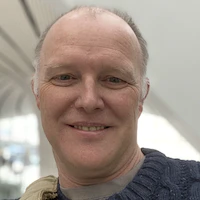
Professor David Williams
My research interests primarily focus in the fields of oral microbiology and microbial biofilms. Previous research has been directed towards elucidating the role of Candida in chronic hyperplastic candidosis (CHC), which led to the development of novel genotypic methods for identifying Candida species in fixed tissues.
Read full profile ↓
The significance of this work was recognised through receipt of both the Colgate Prize and the IADR/Unilever Hatton Award. Additional Candida research has included the study of antifungal susceptibility of Candida species, virulence gene expression and real-time PCR detection of Candida in oral samples. I have also investigated interaction of Candida with associated bacteria in oral tissue and on medical devices (e.g. silicone rubber, acrylic, and titanium). The invasive properties of Candida based on in vitro tissue models has successfully revealed strain and species variation which could have significance in disease progression. Research in this area has benefited through collaboration with colleagues at the University of Minho (Braga, Portugal), the Gdansk Institute of Technology (Gdansk, Poland), and the Piracicaba Dental School, University of Campinas (Piracicaba, Brazil). have also been involved in studies aimed at elucidating the innate immune response to Candida through cytokine signalling, T-cell differentiation and immune cell infiltration of infected tissues.
Additional biofilm research projects have included the study of endotracheal tube biofilms and their role in ventilator-associated pneumonia, a leading cause of mortality in intensive care units. This work was initiated through close collaboration with Professor J Thomas (University of West Virginia, USA) and in close collaboration with colleagues in the ICU of the University Hospital of Wales. Urinary tract catheter biofilms are a leading cause of healthcare associated infection and with industrial collaboration together with colleagues at the Bristol Urological Institute we have developed medical devices to aid in the management of these infections.
Chronic wounds are those that do not heal within an expected time-frame and represent a significant cause of patient morbidity and increased healthcare costs. One potential factor involved in delayed wound healing is the presence of microbial biofilms within the wound which are often recalcitrant to antibiotic therapy. Our research has not only characterised these biofilms through culture and molecular analysis but also focused on mechanisms to rapidly detect pathogenic bacterial biofilms within the tissue.

Dr Ruben Sakrabani
I am a soil chemist with a research interest in soil fertility and use of organic amendments to meet crop nutrient requirements and improve soil health. Within the organic amendments, livestock manure, biosolids and others may contain residual antibiotic active ingredients and can be transferred to soil in an agricultural context when these are applied.
Read full profile ↓
Some parameters in soil such as heavy metals can form stable complexes that can contribute towards persistence of AMR in soil. I am keen to explore how these factors can be assessed and controlled to minimise AMR in the environment. With the increase in fertiliser prices and the growing concern in preserving soil health and carbon sequestration, application of organic amendments is getting more popular. However we need a balanced approach to ensure that this practice is sustained and any potential negative impacts can be mitigated.
Dr Zhugen Yang
Dr Zhugen Yang is currently a Senior Lecturer in Sensor Technology, leading a UKCRIC-funded Advanced sensors lab at Cranfield University. He has received three prestigious Fellowships/awards for different career stages, EU Marie Curie Fellow (2013-15), UKRI NERC Fellowship (2018-2021), and Leverhulme Research Leadership Award (2023-2028).
Read full profile ↓
His multidisciplinary team focuses on the development of low-cost, rapid and point-of-use sensors and devices for environmental science (e.g. microbial contamination in drinking water), public health (e.g. wastewater epidemiology for pathogens including SARS-CoV-2 and chemicals (e.g.,illicit drugs), and biomedical diagnostics (e.g. infectious disease and cancer).
Dr Yang was awarded a prestigious UK NERC Fellowship to start his independent academic career in 2018, leading a group on Advanced Sensors for Water-Environment-Health nexus. He was appointed as a Lecturer (UK tenure) at The University of Glasgow’s School of Engineering, before relocating the group to Cranfield University in 2019. He completed a postdoc at the University of Cambridge and EU Marie Curie Fellow at the University of Bath, after he earned his PhD in Micro and Nanotechnology at the University of Lyon (Ecole Centrale, France), MSc (SYSU) and BEng (HIT) in China.
His research has been sponsored with over £5M, from UKRI (EPSRC, NERC, BBSRC), Leverhulme Trust, Royal Academy of Engineering and industry and government organisation, leading to over 60 referred articles (including PNAS, Nat Commun, ES&T, Water Res, ACS Nano, ACS Sens, Anal Chem, TrAC), several UK and international patents and a number of plenary/keynote talks at international conference, serving as Associate Editor/Guest Editor/Editorial Member for several international journals (e.g. TrAC, If 14.9). His research has been featured in Science Magazine, as well as media coverages including BBC (BBC News, Science Action), Washington Post, Yahoo, China Daily etc. The origami-paper device has been displayed at London Science Museum.
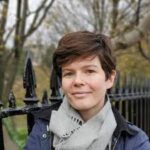
Professor Maïwenn Kersaudy-Kerhoas
Maïwenn Kersaudy-Kerhoas is a Professor in Microfluidic Engineering in the School of Engineering and Physical Sciences at Heriot-Watt University. She holds a research MSc degree in micro and nanotechnologies from the Technical University of Lille (France), and an MSc degree from the Institut Superieur de l’Electronique et du Numerique (Brest-Lille, France).
Read full profile ↓
She was awarded a PhD at Heriot-Watt in July 2010. This study involved the development of a microfluidic chip for blood plasma extraction for detection of cell-free nucleic acids (DNA, RNA). In 2012 she was awarded a five year Royal Academy of Engineering Fellowship to develop microfluidic systems for prenatal diagnostics. In 2014 she was elected as a member of EPSRC Early Career forum in Manufacturing Research and entered the Young Academy of Scotland. In 2018 she was awarded a £1M EPSRC Healthcare Technology Challenge Award to develop total pre-analytical systems for cfDNA extraction at the point-of-need. Using this award and pre-commercialisation funding from Scottish Enterprise High Growth Spin Out programme she created with her team CNASafe, and automated platform and patented fluidic cartridge for cfDNA extraction. This technology is now under clinical pilot for use in an integrated workflow (iSEP-SEQ) for the identification of sepsis-causing pathogens.
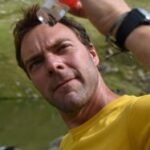
Professor Matthew Fisher
Matthew Fisher works on emerging pathogenic fungi. His research uses an evolutionary framework to investigate the biological and environmental factors that are driving emerging fungal diseases across human, wildlife and plant species.
Read full profile ↓
Wildlife and their environments play a key role in the emergence of human emerging infectious disease (EID) by providing a ‘zoonotic pool’ from which previously unknown pathogens emerge. Conversely, human action impacts on patterns of fungal disease via the perturbation of natural systems, the introduction, and the spread of pathogenic fungi into naive environments, and by rapid natural selection for phenotypes such as resistance to antimicrobial drugs. These interactions are leading to an upswing of new fungal infections in new places, causing new (and exacerbating old) human diseases. Matthew Fisher’s research group is focused on research using genomic, epidemiological, ecological and experimental analysis to uncover the factors driving these EIDs, and to attempt to develop new methods of diagnosis and control.
Professor Pantelis Georgiou
Pantelis Georgiou currently holds the position of Professor of Biomedical Electronics at Imperial College London within the Department of Electrical and Electronic Engineering. He is the head of the Bio-inspired Metabolic and Infection Technology Laboratory in the Centre for Bio-Inspired Technology;
Read full profile ↓
a multi-disciplinary group that invents, develops and demonstrates advanced micro-devices to meet global challenges in biomedical science and healthcare. His research includes ultra-low power micro-electronics, bio-inspired circuits and systems, lab-on-chip technology and application of micro-electronic technology to create novel medical devices. Application areas of his research include new technologies for treatment of diabetes such as the artificial pancreas, novel Lab-on-Chip technology for genomics and diagnostics targeted towards infectious disease and antimicrobial resistance (AMR), and wearable technologies for rehabilitation of chronic conditions.
Prof. Georgiou graduated with a 1st Class Honours MEng Degree in Electrical and Electronic Engineering in 2004 and Ph.D. degree in 2008 both from Imperial College London. He then joined the Institute of Biomedical Engineering as Research Associate until 2010, when he was appointed Head of the Bio-inspired Metabolic Technology Laboratory. In 2011, he joined the Department of Electrical & Electronic Engineering, where he currently holds an academic faculty position. He has made significant contributions to the development of integrated chemical-sensing systems in CMOS for Lab-on-Chip applications. He has pioneered the development of the Ion-Sensitive Field Effect Transistor, an integrated pH sensor which is currently being used in next generation DNA sequencing machines and rapid diagnostic systems for detection of infectious diseases. Prof. Georgiou is a senior member of the IEEE and IET and Chair of the IEEE BioCAS TC and serves on Sensory Systems technical committee of the IEEE CAS Society. He is an associate editor of the IEEE Sensors and TBioCAS journals. In 2013 he was awarded the IET Mike Sergeant Achievement Medal for his outstanding contributions to engineering and development of the bio-inspired artificial pancreas. In 2017, he was also awarded the IEEE Sensors Council Technical Achievement award. He is also on the IEEE Sensors council as a member at large and an IEEE Distinguished Lecturer. He is Co-founder and CEO of ProtonDx, commercialising technologies for rapid diagnostics for infectious diseases.
Professor Francis Drobniewski
Francis Drobniewski is a Professor of Global Health and Tuberculosis at Imperial College, London (ICL), a physician and microbiologist (accredited in Microbiology, Virology and Immunology). He has 25 years’ experience as PI/Co-I for complex respiratory disease research programmes focusing on TB/HIV and antimicrobial drug resistance,
Read full profile ↓
integrating clinical, biological and social themes. He has held Board leadership roles in academia and the NHS.
He is: Fellow of ESCMID (2017- ); Member ICL Antimicrobial Research Collaborative; NIHR Health Protection Research Unit Respiratory Infections, ICL (2014-2017); Founder member ECDC TB Reference Lab Network (2009-onwards); Global CrypTIC TB DST Consortium; Director UK National Mycobacterium (TB) Reference Laboratory (1996-2015) Consultant Microbiologist (p/t) University Hospitals Dorset 2017- current; Member of British Thoracic Society MDRTB National Advisory Panel; NICE Clinical TB Adviser; Member MRC DPFS Grants Panel (2021- ); Member NICE-TAC (determines NHS drug etc purchasing/provision). UK NHS COVID Clinical Reference Group and diagnostics (2020-21).Research expertise in diagnostics, AMR, disease risk factor and survival analysis, covid vaccine: TB/HIV LMIC programme development and implementation (EU FP6, FP7 and H2020, DFID and WHO); ECDC TB Network (see above) focuses on diagnostics and analysis of drug resistance; training programmes (including Ukraine) for WHO, British Council; published over 280 peer-reviewed papers in these areas. Current Chief Investigator VAROT Study looking at post aminoglycoside hearing analysis and Horizon Europe EuCARE Covid 19 UK (UK arm of a multicenter Covid 19 consortium considering all aspects of Covid infection from diagnosis and genomics to survival by variant, immunology vaccine hesitancy, and UK NHS COVID Clinical Reference Group and diagnostics. WHO: diagnosis and treatment of drug resistant bacterial infections (AMR), and management of MDRTB and HIV-TB. Until recently involved in WHO Europe groups (former WHO Consultant)
Leadership and Management: Non-Executive Board Director Kent Community Hospital Trust (2018-2022); Chair WHO European Laboratory Initiative on TB, HIV and viral hepatitis, until 2022) including supporting COVID19 strategy; Member Divisional Management Boards HPA/PHE, QMUL, ICL. Director/Co Lead DFID and EU Framework Programmes 1990-current); Director Health Sciences Research Ltd (2006-current).
Research: Our research sits firmly at the boundary of basic and translational sciences where scientific advances in for example, understanding the genetic and biochemical mechanisms of drug resistance have been developed into practical diagnostic tests, evaluated in multicenter trials and implemented into NHS and clinical practice. These have involved utlising multiple approaches including social and behavioural ones to address clinical problems and achieve desired goals. These have been funded principally through a series of EU Framework grants including Horizon Europe as well as NIHR, Wellcome Trust, DFID, MRC, FIND, Innovate etc.
TB and COVID-19 provide excellent models for public health and the development of national and international health and social policy issues including vaccine hesitancy.
Similarly the patients we typically deal with (eg TB, HIV, multi-cultural, ethnic and linguistic, frequently with major social problems including alcoholism, intra-venous drug abuse, homeless ness, prior imprisonment) require a multi-disciplinary scientific and clinical approach to address complex needs and perceptions about their illness.
Dr Leon Barron
Leon Barron received both a BSc in Analytical Science (2001) and a PhD in Analytical Chemistry (2005) from Dublin City University (DCU), Ireland. He then pursued his postdoctoral research for a further four years there and at the Norwegian Institute for Water Research developing novel approaches to monitoring environmental contaminants in water and soil.
Read full profile ↓
He moved to King’s College London as a Lecturer (in 2009) and then Senior Lecturer (in 2015) in Forensic Science, where he led the Environmental & Forensic Chemistry group for 11 years. In 2020, he moved to Imperial College London as a Senior Lecturer in Analytical & Environmental Sciences. He has published >75 peer-reviewed articles in the fields of analytical chemistry, environmental pollution, ecotoxicology and forensic science. He sits on the editorial board of Science & Justice, Journal of the Chartered Society of Forensic Sciences and from 2011-2014 was its Editor in Chief. He regularly acts as a peer-reviewer for several internationally reputed analytical journals. He is a member of the Royal Society of Chemistry, the Chartered Society of Forensic Sciences and a Fellow of the Higher Education Academy. He also sits on the Analytical Division Council and the Separation Science interest group committee of the Royal Society of Chemistry, as well as the London Biological Mass Spectrometry Discussion Group committee.
Key Leadership Roles:
Emerging Chemical Contaminants Team lead within the Environmental Research Group
The aim of the Emerging Chemical Contaminants team is to further our understanding of the sources, risks and impacts existing, emerging and new chemical contaminants on environmental and public health. His projects have mainly focussed on pharmaceuticals, personal care products, illicit drugs, pesticides, disinfectant by-products, security-related substances (e.g., CB and E) and industrial chemicals. His work spans across all environmental spheres (soil, water, air and biological materials).
Research Interests:
Analytical Science: His particular strength lies in trace environmental analysis and has core expertise in the separation sciences (e.g. LC, IC, GC, IMS and CE), advanced sampling/sample preparation (e.g. including on/offline SPE, passive sampling, pressurised liquid extraction), high and low resolution (tandem) mass spectrometry and data mining/computational modelling (e.g., machine learning and multivariate analysis for large datasets).
Chemical Risk Assessment: He actively researches in understanding the breadth, sources and fate of and as well as phenotypic and molecular level toxicological effects on biota. He is particularly interested in New Approach Methods (NAMs) including novel predictive in silico and in vitro tools for chemical hazard and risk assessment. This includes performing exposure-based and machine-learning enhanced metabolomics and lipidomics to understand molecular-level effects, and mainly in terrestrial and aquatic invertebrates.
Wastewater-Based Epidemiology: Near real-time population-level health assessment through the wastewater analysis. His team has been a member of the Sewage analysis CORE Group since 2011 contributing to knowledge of the health of ~30 countries and 90 cities globally. For example, we have provided data for London annually to the European Monitoring Centre for Drugs & Drug Addiction on illicit drug use in the EU.
Early Threat Warning and ‘Environmental Forensics’: He focuses on identifying chemical or physical evidence that may indicate illegal activity including contact or clandestine manufacturing of illicit substances, chemical pollution or identifying imminent threats to public safety. With a significant track record in forensic science, he specialises in identifying trace chemical signatures in forensic evidence types such as fingermarks, biological materials, as well as environmental matrices including early detection of explosives and new chemical/biological contaminants and hazards in the environment. He also led a major project on developing fit for purpose technologies for recovering forensic evidence from poached ivory which is now in use in >40 countries globally.

Professor Taane Clarke
Taane G. Clark is Professor of Genomics & Global Health, with a background in statistics, machine learning, ‘omics and epidemiology. He investigates genetic variation in pathogen, vector and human populations in infectious diseases using high throughput sequencing technologies, population genetics, AI and GWAS tools.
Read full profile ↓
He is leading global genetic diversity projects of Mycobacterium tuberculosis, Plasmodium species and AMR bacterial pathogens, as well as developing statistical and informatic tools to integrate genetic and important phenotypic information and identify genetic regions associated with important disease phenotypes (e.g. drug resistance). Prof. Clark develops molecular barcodes for inferring geographical source, transmission, and AMR, applied within in silico profiling software tools to assist clinical management (e.g., TB-Profiler; Malaria-Profiler). He builds and strengthens capacity for genomic-base investigations, including through organising short courses in Infectious Disease ‘omics and Genomic epidemiology.

Professor Kat Holt
Kat is a Professor of Microbial Systems Genomics at the London School of Hygiene and Tropical Medicine. She is a computational biologist specialising in infectious disease genomics. She has a BA/BSc (Hons) majoring in Biochemistry, Applied Statistics and Philosophy (University of Western Australia); a Master of Epidemiology (University of Melbourne); and a PhD in Molecular Biology (University of Cambridge and Sanger Institute).
Read full profile ↓
Kat and her research team are particularly interested in the global health crisis of antimicrobial resistance (AMR), using genomic epidemiology tools to understand the evolutionary history and global dissemination of multidrug resistant pathogens, and developing new tools for prospective surveillance and tracking of emerging problems in the public health and clinical infectious disease space. They are also interested in human, animal and environmental microbiomes, and their role in chronic disease, infectious disease, and horizontal gene transfer.
Currently, a major focus of the group is genomic surveillance and epidemiology of Klebsiella pneumoniae, a pathogen recognised as critically important by the World Health Organisation due to its concerning levels of AMR. Together with collaborators, Kat’s team uses genomics to investigate Klebsiella populations, primarily those causing infections in humans; and translate this growing knowledge base into the informatics tools Kaptive (for capsule (K) and O antigen serotype prediction), and Kleborate (for speciation, AMR and virulence typing), to support global research and surveillance activities.
Another key focus is Salmonella Typhi, the agent of typhoid fever. In addition to applying genomics to investigate typhoid epidemiology, Kat’s group developed and maintain the GenoTyphi genotyping scheme; helped establish and coordinate the Global Typhoid Genomics Consortium (see typhoidgenomics.org) and developed the typhi.net dashboard for interactive visualisation of genomics-derived AMR and lineage data for Typhi. Kat and team develop bioinformatics software when needed, and have developed lab and computational methods for nanopore sequencing. The research group adhere to open science principles – lab policy is to publish open access wherever possible, with preprints available before peer review; to deposit all data in public databases; and to release open source code.

Dr Noah Fongwen
Noah Fongwen is a Clinical Research Fellow at the London School of Hygiene and Tropical Medicine (LSHTM) and Head of Diagnostic Access at Africa CDC. He is a global health expert skilled in advanced research methods, implementation science, economic evaluation of complex public health interventions, and point-of-care technologies.
Read full profile ↓
He has expertise in clinical medicine, laboratory medicine, public health, and health policy. He has been a project leader/coordinator in several projects, including the Wellcome Trust-funded international project to explore a new regulatory policy framework to accelerate access to diagnostics. At the Africa CDC, he leads diagnostics development and evaluation, streamlining regulatory access, post-marketing surveillance, policy development, and community uptake. Before joining the London School and Africa CDC, he worked as a medical officer and public health specialist for the Ministry of Public Health in Cameroon. During this period, he led the implementation of quality assurance for HIV tests and community sensitization for chronic diseases and supported the expanded program for immunization.
As head of access at Africa CDC, he has contributed significantly to developing policy documents such as the Africa CDC biobanking manual and the manual for multi-disease surveillance in Africa. He is working with Prof Rosanna Peeling and Prof David Heymann to pilot multi-disease surveillance using diagnostics at different health system levels. As the head of innovation at the Africa CDC innovation hub, he is leading a systemic review and continent-wide project to explore the role of telephone hotlines in outbreak response. This project will set up a network of telephone hotlines that can be leveraged to support response to outbreaks.
He has also been a WHO consultant in developing Target Product Profiles(TPPs) for diagnostics for NTDs such as Dengue, Yaws, and Mycetoma. He is also the WHO TDR Global coordinator for decentralizing TDR Global activities. He has more than 40 peer-reviewed publications, including book chapters and editorials.
Jode Phelan
London School of Hygiene and Tropical Medicine

Professor Susana Campino
I completed my PhD at the University of Umea, Sweden on the “Genetic analysis of murine malaria”. In 2004, I was awarded a Marie Curie Post Doc fellowship to work on “Genetic determinants of human severe malaria” at the University of Oxford. In 2007,
Read full profile ↓
I moved to The Wellcome Trust Sanger Institute to investigate the worldwide genetic diversity of the malaria parasites Plasmodium falciparum. I had the opportunity to conduct fieldwork in several endemic regions (e.g. Thailand, Cambodia, Burkina Faso). This post also gave me the opportunity to expand my knowledge on whole genome sequencing analysis and population genetics. I moved to the London School of Hygiene & Tropical Medicine in 2015 to work on evolution of malaria parasite and to develop genetic barcodes for malaria surveillance. I am also involved in projects related to the genetic diversity of Mycobacteria tuberculosis and Zika virus.
Dr Sourav Ghosh
Sourav Ghosh is a Senior Lecturer in Sensors Technologies at Loughborough University. His key research interest is in developing novel acoustic and fluorescence tests for rapid detection of pathogens (bacteria, viruses), antimicrobial resistance (AMR), biofilms, and small molecules.
Read full profile ↓
Following his PhD in acoustic biosensors from Cambridge (2011), he worked as a research associate in a EU FP7 consortium project, applying his acoustic method for influenza virus detection. In his academic position at Loughborough since 2013, he has led multiple EU- and UKRI-funded research for rapid detection of norovirus, coronavirus, urinary tract, wound and enteric infections and online bioprocess monitoring. His nonlinear acoustic sensor has been adopted as a research tool by leading international universities, including Stanford (US) and EU partner universities. His fluorescence beacon-based method is now being developed as a rapid phenotypic point-of-care test for pathogens and AMR in a Loughborough-based start-up, Cromerix, where he is the Director.

Dr Nichola Hawkins
Nichola’s research focuses on the evolutionary biology of plant pathogens, and how we can develop more durable crop disease control strategies against ever-evolving pathogen populations. This includes factors driving the evolution of fungicide resistance,
Read full profile ↓
and how these will apply to future crop protection measures, in pathogens including Zymoseptoria tritici which causes the major wheat disease Septoria leaf blotch. She is developing new methods for studying the evolution of fungicide resistance in the lab, in order to more accurately predict the risk of control failure in the field, to better inform resistance management guidelines and the development of lower-risk products in future.
Her current research project (April 2022-205) titled ‘Predicting the durability and resistance risk of crop protection measures through experimental evolution of plant pathogens’ is funded by the BBSRC Discovery Fellowship.

Dr Chien-Yi Chang
Chien-Yi Chang is a Lecturer in the School of Dental Sciences at Newcastle University. He was trained as a microbiologist and received his BSc and MSc in Taiwan. He then studied and received his PhD from the University of Nottingham in the UK.
Read full profile ↓
His research interests are to answer fundamental questions concerning how bacteria sense and respond to their surroundings and stresses coming from other microbial competitors or host cells by using genetic, genomic and advanced microscopic approaches. He has been working in multidisciplinary environments and involving several translational and clinical-relevant projects with clinicians, chemists, and biomaterial scientists to develop new medical devices and methodologies for detecting infection/AMR in clinical settings. He also has overseas research experience with a team comprising paediatricians and clinical microbiologists to investigate the epidemic trend of antibiotic resistance in bacterial pathogens causing neonatal sepsis and meningitis.
Professor Neil Boonham
Neil is a Professor at the Institute for Agri-Food Research and Innovation at Newcastle University. He has a strong interest in AMR research in particular fungicide resistance and its development in crop pests. Neil has a background in plant virology and molecular biology
Read full profile ↓
and in recent years has focused on the application of post-genomic technologies to provide applied solutions to detection problems in agricultural and environmental analysis. In the agricultural and biosecurity work the research is focused on development of targeted techniques for in-field and automated detection of pathogens. This encompasses development of diagnostic techniques to enable rapid decision making in the agri-food supply chain to the automated measurement of airborne inoculum; the goal is to provide end users with data enabling them to make more timely and effective management decisions. In addition the use of next generation sequencing for detection and characterisation of the causal agents of disease and virus discovery through to investigating the impact microbial communities have in modulating disease symptoms and severity.
Neil maintains a keen interest in Virology in particular the interaction between viruses and plant hosts, the evolution of virus species and the characterisation of persistent viruses in plants. Neil has authored more than 100 peer reviewed publications and is an editor for the Journal of Virological Methods and a special associate Professor at the University of Nottingham. Neil regularly provides keynote and plenary lectures at international conferences and lectures at undergraduate and masters degree courses at the Universities of Nottingham, Leeds and Harper Adams.

Dr Alasdair Hubbard
Alasdair is a lecturer in Microbiology at Nottingham Trent University. His main research interests are focused on antimicrobial resistance and experimental evolution. Specifically, improving the translation of studies on the evolution of antimicrobial resistance (AMR) to clinical practice
Read full profile ↓
and understanding the mismatch between phenotypic resistance and the genetic determinants of resistance to improve tools to predict AMR. Main research interests are focused on antimicrobial resistance and experimental evolution. Specifically, improving the translation of studies on the evolution of antimicrobial resistance (AMR) to clinical practice and understanding the mismatch between phenotypic resistance and the genetic determinants of resistance to improve tools to predict AMR.
Current projects:
Studying evolution of AMR in physiologically relevant environments
Our primary research focus is to use organoids which represent parts of the human body to study the evolution of antimicrobial resistance to clinically relevant antibiotics in pathogens isolated from clinical samples. Here, we aim to produce robust data on how AMR develops during antimicrobial therapy and use this to guide the use of antibiotics to limit AMR.
Novel mutations leading to beta-lactam/beta-lactamase inhibitor resistance
Using multiple approaches, we aim to identify novel mutations which may arise in beta-lactamases which confer resistance to beta-lactam/beta-lactamase inhibitors and characterise the phenotypic properties. This will improve AMR prediction by identifying possible mutations before they arise in clinic.
Silencing and reactivation of AMR genes
Silencing of AMR genes can complicate AMR prediction as the gene is present in genotypic data but phenotypically the isolate will be susceptible to the antibiotic. Understanding the silencing and reactivation of AMR genes will give us an important insight into what may occur during antimicrobial therapy.
Relationship between mutational selection windows and collateral susceptibility
Mutational selection windows (MSW) can be used to predict the antibiotic concentrations which can select for AMR mutations, while some AMR mutations can result in increased/decreased susceptibility to other unrelated antibiotics. In this project, we aim to determine whether MSWs to one antibiotic is affects the MSW to a second antibiotic and whether this can predict collateral susceptibility networks.
Dr David Wareham
David Wareham qualified (MBBS) from the London Hospital Medical College in 1994 and trained in general medicine in East London and Essex before specialist training in Medical Microbiology in North East Thames (FRCPath).
Read full profile ↓
He was awarded a Clinical Training Fellowship to study aspects of Pseudomonas aeruginosa pathogenicity at Queen Mary University in 2002 and was appointed as Senior Clinical Lecturer in Microbiology in July 2005 (PhD). He is an Honorary Consultant Microbiologist at Barts Health, Newham University and Homerton NHS Trusts where he is responsible for aspects of intensive care microbiology. His current research interests include the molecular epidemiology, mechanisms of resistance and pathogenicity of Gram-negative nosocomial pathogens.
Dr Colin R. Crick
Research group leader in the development of Novel Functional Materials, focusing on the engineering of surface chemistry and morphology for targeted applications. This includes; water repellent materials, water purification, anti-biofouling and self-cleaning surfaces.
Read full profile ↓
Expertise encompasses a wide range of materials and coatings synthesis methodologies, advanced characterisation techniques, and performance benchmarking. Dr Crick works closely with a range of commercial and academic partners to target real-world impact.
Dr James Bradley
James is a Senior Lecturer at the Queen Mary University, London. He earned his BSc in Physical Geography from the University of Bristol in 2011. He completed a PhD in Geographical Sciences at the University of Bristol in 2016.
Read full profile ↓
James was then awarded a Postdoctoral Fellowship from the Centre for Dark Energy Biosphere Investigations, at the University of Southern California in Los Angeles (2016-2018), and was awarded a second fellowship from the Deep Carbon Observatory, also held at the University of Southern California (2018-2019). James also holds a Humboldt Fellowship at the GFZ German Research Centre for Geosciences, Potsdam. In 2019 James was appointed as a Lecturer (Assistant-Professor) in the School of Geography at Queen Mary University of London, and was promoted to Senior Lecturer in 2021.
He has strong interest in AMR in particular in the co-evolution of microorganisms and their environment – with a focus on the fast-changing polar regions.
Dr Omololu Fagunwa
Dr Omololu Fagunwa is a microbiologist with experience in public health programmes and pharmaceutical policies. Dr Fagunwa’s research is focused on microbiome studies for health and biotechnological applications.
Read full profile ↓
His interests include elucidating gut microbes, and their functions in various physiological conditions of the host. Dr Fagunwa is currently working on the potential of a novel microneedle-based delivery system in the prevention of Antimicrobial Resistance. He is a Research Fellow at Queen’s University Belfast

Professor Gerd Wagner
Professor Wagner joined Queen’s University in October 2019 from King’s College London, where he was a founding member of the new Department of Chemistry. His research is focussed on the development of chemical tools to address fundamental challenges in biology, biotechnology and medicine.
Read full profile ↓
He is particularly interested in the role of complex glycans and carbohydrates in infection, inflammation and cancer. Current research themes are concerned with:
(1) Covalent inhibitors and probes to study antimicrobial resistance
(2) Chemical glycoengineering of biopharmaceuticals
(3) Carbohydrate-active enzymes as targets for drug discovery

Dr Ben Swift
Ben is a Lecturer in Antimicrobial Resistance at the Royal Veterinary College at the University of London. During Ben’s PhD he developed novel diagnostics for mycobacterial diseases, based on using bacteriophage.
Read full profile ↓
He then successfully patented this technology and here at the RVC and is currently funded to further develop this and novel technology further to aid the diagnosis of mycobacterial diseases in human and veterinary settings. Here at the RVC he is involved in researching drivers of antimicrobial resistance (AMR) in the environment, where he aims to fill in the significant gaps in research in this area, to address the potential risks the environment poses in the spread of AMR, both in the UK and in low-middle income countries.
He is very interested in applied biology and translating research from bench to consumer and is keen to collaborate with academia and industry

Dr Paolo Bertoncello
Paolo Bertoncello graduated in 1997 with a MSc. in Industrial Chemistry, followed by a PhD in Biophysics at the University of Genoa in 2007. After postdoctoral experience at the University of Texas at Austin he moved to the University of Warwick under a Marie Curie Fellowship.
Read full profile ↓
Then, he moved to Dublin City University under a Marie Curie Reintegration grant. In 2010 he was appointed Senior Lecturer in Chemical Engineering at Swansea University and promoted Associate Professor in 2016. He’s author of 50+ publications (h-index 26; 2300+ citations). His main research interests are the use of functionalised nanomaterials as electrochemical and electrochemiluminescence-based sensors applied to health (early detection of cancer, antimicrobial resistance) and environmental monitoring. He has also interest on electrocatalysis applied to energy (hydrogen evolution and oxygen reduction reactions). His worked is funded by the EPSRC and Cancer Research UK.
Biography:
- MSc. Industrial Chemistry (University Ca’ Foscari, Italy) 1997
- PDRA (UT Austin, US) 2003-2004
- PhD Biophysics (University of Genoa, Italy) 2003
- Marie Curie RTN Fellow (University of Warwick, UK) 2004-2005
- Marie Curie Intra-European Fellow (University of Warwick, UK) 2005-2007
- Marie Curie Reintegration Grant Fellow (DCU, Ireland) 2007-2010
- Senior Lecturer Chemical Engineering (Swansea University, UK) 2010-2016
- Associate Professor in Chemical Engineering (Swansea University, UK) 2016-present
Dr Andrew Singer
Andrew Singer is a Principal Scientist at the UK Centre for Ecology & Hydrology in Wallingford. He is an environmental microbiologist with expertise in pollutant chemistry and water quality modelling.
Read full profile ↓
During the COVID-19 pandemic, he led the NERC-UKRI-funded National COVID-19 Wastewater-based Epidemiology Surveillance Programme and served as Chair of the Expert Advisory Group & Technical Lead within the Home Office Wastewater Surveillance programme. In 2022-23, he led a Home Office programme focused on developing automated pathogen surveillance instrumentation for wastewater. He is an international lead on catchment-scale analysis of the sources and drivers of antibiotic resistance in the environment, working with a One Health perspective in Argentina, Malawi, Thailand and Uganda. He is a frequent contributor to the debate on how to achieve more effective and sustainable innovation in antibiotic development. He served on the UK Scientific Pandemic Influenza Advisory Committee from 2007 to 2013 led by Dame Sally Davies.

Professor Barbara Kasprzyk-Hordern
The principal research interests of our group fall into the three interrelated research areas of environmental, analytical and water sciences. We work in the area of water quality and novel technologies used to decrease contamination of water. Our recent interests focus on water fingerprinting to inform the state of the environment and public health.
Read full profile ↓
ENVIRONMENTAL HEALTH
Emerging micropollutants in the environment
Emerging environmental contaminants including pharmaceuticals, illicit drugs, personal care products and endocrine disruptors are a group of compounds without well understood occurrence, fate and effects in the environment and human health but with the potential to cause such effects. Our research concentrates on identifying new micropollutants in environmental matrices, understanding their fate in the environment and identifying their possible effects on humans and the environment. This includes the development of new analytical methodology primarily utilising liquid chromatography coupled with mass spectrometry to identify and quantify micropollutants and their transformation products at low ppt levels.
Chiral pollutants
The enantiomers of chiral compounds can differ in interactions with chiral environments such as enzymes in the body. Therefore in biological systems they can be recognised as two different substances that elicit different responses: one enantiomer of the same drug may produce the desired therapeutic activity, while the other may be inactive or even toxic. The ratio of active/inactive enantiomer of the chiral drug can change significantly after its administration, metabolism in and excretion from the body. It can be subsequently altered during biological wastewater treatment and when the drug is already present in the environment. Biological processes can lead to stereoselective enrichment or depletion of enantiomeric composition of chiral drugs. Therefore the very same drug might reveal different activity and toxicity and this will depend on its origin and exposure to several factors governing its fate in the environment.
Existing reports on the presence and fate of pharmacologically active compounds, due to their non-enantioselective analysis, do not tackle the problem of their chirality. As a result, current understanding of environmental fate and effects of chiral drugs is limited, might be inaccurate and misleading, as it incorrectly assumes that enantiomers have identical environmental behaviour and toxicity. Therefore to understand and predict the mechanisms governing the fate of chiral drugs, their possible toxicity and impact on the environment, determination of enantiomeric composition of chiral drugs in environmental matrices is essential and constitutes a vital part of our research. This involves also the development of analytical methods capable of enantiomeric separation of chiral drugs and their application in environmental context.
Antimicrobials and antimicrobial resistance
PUBLIC HEALTH
Rapid assessment of public health is essential for the prevention, control or mitigation of exposure risks (e.g. to chemical contaminants or pathogenic organisms) and for improving health. There is growing, albeit still limited, evidence of cause – effect association between man-made chemicals present in industrial and household products, often leaching into the environment, and public health outcomes. These include poor air quality linked with higher prevalence of asthma in urban populations, and presence of endocrine disrupting chemicals in household products linked with diabetics or infertility. Strategies to control and regulate anthropogenic chemicals are limited due to gaps in evidence resulting from limited risk assessment methods. More efficient approaches are needed to identify cause-effect linkages between the environment and human health. Attempts to link environmental stressors with health effects are currently undertaken via molecular epidemiology and human biomonitoring. However, the limitations of molecular epidemiology, due to logistical difficulties and high cost, are the restricted size of study groups and inability to gather comprehensive information on combined spatiotemporal exposure to mixtures of stressors and their effects. There is therefore a need for an evidence-based public health diagnostics and risk prediction system, which will collate long-term comprehensive, spatiotemporal datasets on public health status and trigger rapid response from regulatory and public health sectors with the aim of disease prevention and environmental health promotion. This system, if operated in real-time and if linked with timely response systems, could allow public health threats to be rapidly identified, at low cost, and instantly dealt with, reducing the global burden on public health. Wastewater fingerprinting or wastewater-based epidemiology provides a timely solution. Wastewater-Based Epidemiology (WBE) currently informs worldwide illicit drug use trends. WBE has also been applied to estimate public exposure to lifestyle chemicals, pharmaceuticals, industrial chemicals, household contaminants as well as food contaminants. WBE has revolutionised population health studies, especially in the context of the COVID pandemics. Our research focusses on the development and application of WBE tools with an aim of building early warning systems for environmental and public health. We are currently focussing on biochemical mining of wastewater for markers of community-wide intake of wide-ranging harmful chemicals, pathogenic organisms as well as resulting effects.
WATER TREATMENT
Catalytic ozonation in water treatment
Ozone, due to its high oxidation and disinfection potential, has received much attention in water treatment technology. It is applied in order to improve taste and colour as well as to remove the organic and inorganic compounds in water. Despite the several advantages of using ozone, it has a few disadvantages which limit its application. The main ones are: relatively low solubility and stability in water. Because of both the high cost of ozone production and only partial oxidation of organic compounds present in water, the application of ozonation might not be feasible from an economic point of view. Advanced oxidation processes such as O3/H2O2, UV/O3, UV/H2O2, TiO2/UV, Fenton’s reagents and catalytic ozonation involve the generation of hydroxyl radicals, which are active oxidative species. However, their reactions are not selective and therefore more likely to be hindered by competitive reactions. For that reason, it is also desirable to investigate new methods based on molecular ozone reactions, which allow for both better ozone dissolution and stability in water due to the presence of non-polar materials such as: non-polar fluorinated hydrocarbon solvent or perfluorinated alumina. We focus on investigating the application of metal oxides and zeolites as heterogeneous catalysts for the ozonation of common water micropollutants.
Bioremediation
ANALYTICAL CHEMISTRY
We develop methods utilising primarily chromatographic techniques and mass spectrometry aiming at environmental and epidemiology applications. We are also interested in new approaches to sample preparation.
Professor Nuno M. Reis
Reader (Associate Professor) in Chemical Engineering Innovations at the University of Bath Nuno is a visionary entrepreneurial engineer and scientist, with a track record of pioneering transformative innovations across all components of my daily job as a Reader (Associate Professor)
Read full profile ↓
being a good example the application of ‘melt extruded’ microfluidics to life sciences and diagnostics and use of ‘flipped lecturing’ for Learning and Teaching in Higher Education. Passionate about teamwork and sharing experiences, mistakes and successes. An ambassador of positive relationships among diverse teams of talented people. I believe innovation and creativity comes from fostering that uniqueness that sits within each of us and able to feel ‘comfortable’ in stepping outside the ‘comfort zone’. International research and teaching experience at University of Cambridge, University of Bath, Loughborough University and University of Minho.
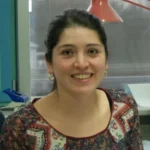
Dr Marcela Hernandez
I am an environmental microbiologist studying the diversity and function of soil microbiomes. My research interests fall into two main areas: the mechanisms and pre-existence of antimicrobial resistance genes in soil ecosystems, and the study of microbes involved in the oxidation of carbon monoxide and methane.
Read full profile ↓
The specific aims of my research are to identify and characterise the major players in biogeochemical cycling of the components of trace gases (for example carbon monoxide and methane). I am currently studying the metabolic processes and substrate preferences of microorganisms in volcanic deposits, which are one of the most fertile soils in the world. I analyse the metabolic pathways for key microorganisms by using metagenomic approaches to determine which natural gases they use as carbon sources. For this, I lead sampling campaigns in volcanoes in Chile and the US and incubate volcanic soils with labelled carbon and perform metagenomics to identify the active microbial communities and characterise their function in these soil deposits. I am a member of The Earth and Life Systems Alliance (ELSA) and together with Colin Murrell and Laura Lehtovirta-Morley, we run the ELSA lab at UEA.
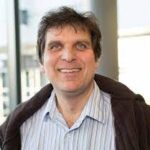
Professor Mark Bradley
Based at Queen Mary University of London, Professor Mark Bradley is a chemist by training but with a strong interdisciplinary ethos and translational mind set (for example he spent two years (1989-1991) at Harvard Medical School working the area of protein engineering and site directed mutagenesis).
Read full profile ↓
He began his academic career in 1992 at the University of Southampton as a Royal Society University Research Fellow, where he worked in the area of Combinatorial Chemistry, co-founding Ilika Technologies. He moved to the University of Edinburgh in 2005 and over the years he was co-founder of Edinburgh Molecular Imaging, DestiNA Genomics and most recently BioCaptiva. He has published some 400 papers and reviews and 25 patents, is an ERC Advanced grant awardee and has won numerous prizes and awards e.g. Fellowship of the Royal Society of Edinburgh (FRSE), Fellowship of the Royal Society of Chemistry (FRSC), 2019 RSC Interdisciplinary prize and the University of Edinburgh Chancellors Award.
He is the formal PI on the EPSRC supported InLighenUs project and heads the Edinburgh team that encompasses areas of detectors, chemistry and engagement in its broadest senses.

Professor Joyce Tait CBE
Joyce Tait is a Professor at the Global Academy of Agriculture and Food Systems, The University of Edinburgh. She is also the Founding Director of the Innogen Centre/Institute (for further details regarding Innogen Institute, see: https://www.innogen.ac.uk/about).
Read full profile ↓
She has an interdisciplinary background, covering natural and social sciences and has specialised in user-focused approaches to complex issues in managing the translational ecosystem for innovative technologies, including regulation/innovation interactions, risk governance and stakeholder involvement in decision making. She has worked in the following areas: strategic and management decision making in companies and public bodies, agricultural and health-related applications of life sciences, policy analysis, risk assessment and regulation, stakeholder attitudes, science and risk communication, responsible innovation, evaluation and application of interdisciplinary research and sustainable development.
She was awarded a CBE for services to the social sciences in 2005 and is a Fellow of the Royal Society of Edinburgh. Recent and current appointments include membership of the Engineering Biology Leadership Council, the Prime Minister’s Council for Science and Technology, the Regulatory Horizons Council, and the Boards of the Industrial Biotechnology Innovation Centre and the Roslin Foundation.
Contributed to Jim O’Neill’s independent antimicrobial resistance review by producing a report for ESRC as to how to incentivise multinational pharmaceutical companies to develop new antimicrobial drugs. In 2021 also developed a report on antimicrobial resistance and ‘pen-side’ diagnostics and rapid response.
As a member of the Regulatory Horizons Council, lead author on the Report on Genetic Technologies and a contributor to other reports on diagnostics involving life sciences and AI as well as infectious diseases. RHC is an independent expert committee that identifies the implications of technological innovation, and provides government with impartial, expert advice on the regulatory reform required to support its rapid and safe introduction. This is aimed at enabling UK to become a Technology Leader in various areas including Life Sciences – by adapting regulatory systems and make them more amenable to innovation, while keeping them safe.
Contributed to Dame Angela McLean’s 2023 Pro-innovation Regulation of Technologies Review: Life Sciences, which includes health-related and non-health applications.
Responsible innovation and PAS440: Worked with BSI and is the technical author of the ‘Responsible Innovation Guide’ PAS 440. This guidance demonstrates how innovators in academia and industry can behave responsibly, and demonstrate that they are being responsible, while also managing the financial, time and competitive pressures involved in developing new technology solutions.
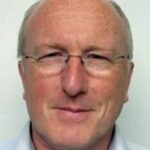
Professor Robert Henderson
Robert Henderson worked for 16 years at CSEM, VLSI Vision Ltd and ST Microelectronics designing image sensors for mobile phone applications before joining the University of Edinburgh in 2005 as an academic. He was promoted to a Professorship of Electronic Imaging at the University of Edinburgh in 2017 and is arguably one of the worlds’ greatest CMOS SPAD architects.
Read full profile ↓
He was awarded an ERC Advanced Grant for his world leading work on SPAD detectors, is Co-I on the £5.3M “Single Photons – Expanding the Spectrum (SPEXS) Programme Grant and has presented his work at all the worlds’ leading international CMSO SPAD meetings with a suite of patents to his name. He developed some of the world’s first SPAD detectors in nanometer CMOS technology. He recently co-founded the company Sense Photonics with his sensors the basis of the company’s LIDAR products.
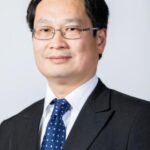
Dr Michael Chen
Michael Chen is a Senior Lecturer in Chemical Engineering at the University of Edinburgh. Dr Chen’s research is focused on biomaterials, biomedical engineering, biophysics, and the application of nanomaterials in biology and medicine.
Read full profile ↓
In these areas, he has been working on physical (microneedle & nanoneedle arrays) and chemical (nanomaterials) for drug delivery and sensing.
He has published >120 papers in peer-reviewed journals including Nature Communications, Advanced Materials, Angewandte Chemie International Edition, Advanced Functional Materials, Small, Advanced Healthcare Materials, Journal of the American Chemical Society, Nano Letters, ACS Nano, Biomaterials, Journal of Controlled Release, Advanced Drug Delivery Reviews, and Chemical Society Reviews. These publications generated an h-index of 55 and >7500 citations. Additionally, he has 2 book chapters and 12 granted patents & 15 patent applications in drug delivery technologies in major countries and regions, mostly in the USA and Europe.
For scientific community service, he serves as a reviewer for many fields’ top journals such as Science Robotics, Nature Communications, Science Advances, Advanced Materials, Small, Advanced Healthcare Materials, Journal of the American Chemical Society, ACS Nano, Nano Letters, ACS Applied Materials & Interfaces, Journal of Controlled Release, Biomaterials, Advanced Drug Delivery Reviews, and grant proposals from different research councils in the UK (e.g., EPSRC, BBSRC, MRC, CRUK, and Royal Society) and a number of other countries. He is also an associate editor of IET Nanobiotechnology and an editorial board member of Sensors, Bioengineering, and Journal of Functional Biomaterials.

Professor Gordon Ramage
Gordon is a Professor of Infection Prevention and Control within the School of Health and Life Sciences at GCU. Gordon graduated from Edinburgh University in 1996 with a BSc (Hons) in Medical Microbiology. He then received a PhD in 1999 from the Queen’s University of Belfast for his studies of prosthetic joint infection.
Read full profile ↓
He subsequently undertook two postdoctoral research positions in North America over a four-year period from 2000 to 2003 (University of Texas Health Science Center at San Antonio and the University of Calgary) focusing on controlling fungal and bacterial biofilm infections. In 2004 he returned to the UK and was appointed as a Lecturer in Microbiology at Glasgow Caledonian University prior to taking up the position of Senior Lecturer in Microbiology in 2007 at the University of Glasgow Dental School. Gordon received his Personal Chair in 2012 and was promoted to Professor of Medical Microbiology. Gordon is a Fellow of the Royal College of Pathologists (FRCPath) and is currently the Chair of the European Society for Clinical Microbiology and Infectious Disease (ESCMID) Study Group for Biofilms (ESGB), and a Fellow of the European Confederation of Medical Mycology (FECMM). He is also an honorary member of the British Society for Medical Mycology (BSMM). In October 2023 Gordon joined GCU as a Professor of Infection Prevention and Control within ReaCH and as co-lead of the Safeguarding Health through Infection Prevention (SHIP) group. Gordon’s research focuses on biofilm detection and control. He is currently funded through the following UKRI and industry focussed projects:
1. EPSRC – Controlling diabetic foot ulcers.
2. Innovate UK – Treatment of bacterial vaginosis with probiotics
3. BBSRC/Haleon – OMICs approaches to biofilm management
4. BBSRC – Understanding polymicrobial biofilms on surfaces
Professor Christoph Wälti
Christoph Wälti is a Professor of Bionanotechnology in the School of Electronic and Electrical Engineering, University of Leeds. His research interests lie in molecular nanotechnology with particular focus on self-assembly applications and the interface between biology and semiconductors.
Read full profile ↓
Christoph graduated from ETH Zürich, Switzerland, with an MSc in Physics in 1995 and received his PhD in 2000 from the Laboratory of Solid State Physics of the same institution with a thesis on the study of the symmetry of the order parameter in the heavy-electron superconductor UBe13. In 2001 he was awarded a Swiss Marie-Curie Fellowship to work on the self-assembly of molecular complexes using DNA at the Cavendish Laboratory of the University of Cambridge. Using affirmers, he has developed rapid diagnostic tests to detect infections and antimicrobial resistance.

Dr Timothy Felton
Timothy Felton is a Senior Lecturer in the Division of Immunology, Immunity to Infection and Respiratory Medicine, University of Manchester. He is also the Consultant in Intensive Care and Respiratory Medicine at the Manchester University NHS Foundation Trust (MFT) and Director of Manchester University NHS Foundation Trust’s Diagnostics and Technology Accelerator (DiTA).
Read full profile ↓
He qualified in medicine in 1999 at the University of Nottingham and undertook his training in Respiratory and Intensive Care Medicine in the North West of England and in Sydney, Australia. He completed an MRC Clinical Research Training Fellowship and was awarded his PhD in anti-infective pharmacology by The University of Manchester in 2014. His research interests include precision management (otherwise known as antimicrobial stewardship) in patients with respiratory infection, antimicrobial resistance, clinical trials to optimise diagnosis and treatment in infection and pharmacokinetics and pharmacodynamics (including population PK modelling). He has particular expertise related to optimising antimicrobial drug regimens to suppress emergence of anti-microbial resistance. He is involved in a number of academic and commercial clinical trials in critically ill patients with severe infections. He is a member of The Intensive Care Society, European Society of Clinical Microbiology and Infectious Diseases, The British Thoracic Society, and European Respiratory Society. Dr Felton has received £10M of external grant funding over the last 5 years. Dr Felton currently lead the respiratory infection programme of the NIHR Manchester Biomedical Research Centre, co-chairs the Antimicrobial Resistance Group within Greater Manchester Intergrated Care System and recently worked as an external advisor to NICE and NHS England on the novel subscription model for antibiotics (“Models for the evaluation and purchase of antimicrobials”).

Dr Chris Knight
Senior Lecturer, Earth and Environmental Sciences at the University of Manchester.

Dr Amanda Wright
Amanda Wright obtained her PhD in Physics (Optics) from the University of Manchester, held a Royal Academy of Engineering/EPSRC Research Fellowship and is currently Professor in the Department of Electrical and Electronic Engineering at the University of Nottingham.
Read full profile ↓
She is PI on a “Technology Touching Life” project, leading a team of six investigators, from three UK institutions, based across four different research disciplines (£1.4M) (2018-2021). She is currently the Co-I (and Nottingham lead) in the EPSRC Inlightenus project (£5 M) providing her expertise in techniques including optical trapping, light sheet microscopy, fluorescence microscopy and adaptive optics. Her lab specialises in developing bespoke optical instruments to image, measure and perturb biological systems, characterising properties such as viscosity and elasticity of cells and their surrounding environments. She is also interested in developing frugal diagnostic devices suitable for resource-limited settings.
Professor Kim Hardie
Dr Hardie’s main interest is in how bacteria use secreted proteins such as toxins to help them cause infections. This includes how the bacteria transport and regulate the proteins, and how the proteins function. In particular, she is interested in how these weapons are deployed and the role they play in the complex communities that bacteria form on surfaces (biofilms).
Read full profile ↓
This is particularly important as biofilms serve as reservoirs for infection and aid the infection process. In addition, bacteria in biofilms are more resistant to antibiotics, and I am interested in how the antimicrobials penetrate biofilms and how individual bacteria respond as they come in contact with the antimicrobials. The hope is that we will uncover novel antimicrobial targets that are unlikely to trigger the development of antimicrobial resistance, and thereby increase our repertoire of therapies and preventions to curb bacterial infections. Dr Hardie can comment on bacterial infections and hygiene e.g. hand washing to prevent the transmission of bacteria and new antimicrobial strategies. For more information about Dr Hardie’s work, see her University webpage. Previous media experience has included an appearance on BBC East Midlands Today, taking part in radio interviews and acting as an expert commentator for a Daily Mail piece about superbugs.
Media appearances:
- October 2016: Interview on BBC World service ‘The Inquiry’ about antimicrobial resistance
- March 2013: Interview on BBC radio Nottingham, Mark Dennison show time slot 55 min to 1 h 15, discussion about antibiotic resistance
- May 2012: Interview on BBC radio Nottingham, Mark Dennison show time slot 1 h 21 min to 1 h 46, live demonstration of hand hygiene
- November 2011: Interview on BBC radio Nottingham, Andy Whitakker 8/11/11 show time slot 1 h 38 min to 1 h 42 min 30 seconds, talking about handkerchiefs and germ spreading
- July 10th 2011: Provided background information for full page article on Superbugs in Mail on Sunday written by Alice Grebot
- April 18th 2011: Provided expert opinion on BBC Radio Nottingham morning show for Frances Finn discussing recent paper on extended beta lactamases in superbugs (Walsh et al. Lancet Infect Dis 2011). Two slots separated by music starting at 2 hour 15 mins • February 2nd 2011
- Provided expert opinion on BBC Radio Nottingham morning show for Frances Finn ‘How dirty is your cash?’
- July 2010: Interview with Ashley about Glo-yo for Heart 106 Radio
Consultancy and Research: Dr Hardie is happy to explore opportunities to undertake consultancy and research work with external organisations.
Professor Hany Elsheikha
Hany Elsheikha is a Professor and Chair of Interdisciplinary Parasitology in the global health department in School of Veterinary Medicine and Science, University of Nottingham (SVMS-UoN).
Read full profile ↓
Hany is also a European Veterinary Parasitology College diplomate, the head of European Scientific Counsel Companion Animal Parasites UK & Ireland and a Fellow of the Higher Education Academy. He earned his PhD from Michigan State University for research performed on the molecular evolution of the causative agent of equine protozoal myeloencephalitis. He was awarded the prestigious American Society for Microbiology (ASM)/National Center for Infectious Diseases (NCID) Postdoctoral Fellowship. Since joining SVMS-UoN, he has been spearheading the development and delivery of parasitology teaching. Also, he has established a multidisciplinary research programme focused on decoding the interkingdom chemical communication between the host cells and neuropathogenic protozoan parasites, with a special interest in Toxoplasma gondii. Key areas of interest include host-parasite interaction, anti-parasitic drug discovery, parasite evolution and parasites of public health impacts. He has published more than 270 peer-reviewed papers and many other articles in professional magazines and science communication journals. Hany has published 8 books in veterinary, tropical and medical parasitology for students, residents and professionals.

Dr Fergus Allerton
Fergus is a small animal internal medicine clinician. He is an Internal Medicine Specialist at Willows Veterinary Centre and Referral Service, which is a state-of-the-art veterinary practice located in Solihull, West Midlands.
Read full profile ↓
We provide top-quality care both for pets in the surrounding area and also for those referred to us by their own veterinary surgeons for specialist investigation and treatment.

Dr Sidahmed Abayzeed
Sidahmed is an Assistant Professor in Biomedical Imaging and Sensing. Since September 2022, he has been a member of the Electric and Electronic Engineering Department, University of Nottingham. Before assuming this role, Sidahmed was an independent Nottingham Research Fellow from 2019 to 2022.
Read full profile ↓
Sidahmed obtained his Ph.D. in Electrical and Electronic Engineering from the University of Nottingham in 2016. Shortly after that, he was awarded EPSRC Doctoral Prize Fellowship at the Faculty of Engineering, which allowed him to further explore and test new concepts in impedance microscopy, a novel technology for label-free characterization of biological samples.
Following the completion of his Doctoral Prize Fellowship, Sidahmed was awarded a prestigious Nottingham Research Fellowship in 2019. This fellowship recognized his expertise and potential, providing him with the opportunity to set up and lead cutting-edge research in the field of bioelectrical imaging and sensing. As part of this fellowship, Sidahmed focused on advancing the field by developing a new generation of impedance micro-spectroscopy technology. This innovative tool aims to deepen our understanding of how living systems generate and conduct electrical signals, with potential of wide-range applications in biomedical research and clinical settings. For example, impedance micro-spectroscopy of single bacterial cells is expected to offer new diagnostics tools or rapid antimicrobial susceptibility tests, which will advance the efforts against antimicrobial resistance. This will build on Sidahmed earlier preliminary work that focused on developing a compact and automated instrument for culture-free detection of bacteria in urine using surface plasmon resonance sensors. This project aimed to enable rapid and accurate diagnosis of UTIs, addressing the critical need for tools that facilitate quick detection of infections. The delay in UTI diagnosis often leads to the prescription of empirical broad-spectrum antibiotics, contributing to the growing problem of antimicrobial resistance.
Dr Sesha Venkateswaran
Sesha Venkateswaran is a Chemical Engineer with a PhD in materials and polymer science, and an industrial experience of ~16 years, in research and development, manufacturing, business development and managing international business. Sesha has worked with multi-nationals such as Unilever as well as SME’s – in India, UK, Spain and other European countries.
Read full profile ↓
In the last 10 years within academia he has collaborated extensively in diverse work cultures across the world and forged partnerships. He is passionate about frugal diagnostics and was part of two such projects, (i) a UK-India Newton project relating to detection of co-selectors of AMR, and (ii) was the coordinator and architect of ARREST-TB, a £4.5M multilateral (UK, India, Russia, Italy and Spain) project to develop TB diagnostics for resource-limited settings. He is the founder of Help to Breathe (with the mission to help hospitals in India) and Nellikani (with the mission to fight hunger in rural India).
He currently works as the Project Manager of Inlightenus a multidisciplinary project between the Universities of Edinburgh, Nottingham and Southampton, funded by the EPSRC (£5M).

Dr Collin Sones
Collin Sones has been at the world renowned Optoelectronics Research Centre (ORC) at the University of Southampton since 2000 and in 2016 was promoted to a Principal Research Fellow. He has pioneered, developed and patented novel laser-direct-write techniques, authored over 145 research outputs and been PI/Co-I on four EPSRC grants (~ £2.5M).
Read full profile ↓
His current research interests are focused on using lasers to pattern porous materials for paper-based fluidics-based diagnostic devices. His novel and disruptive research, which underpins this submission, has been widely acknowledged and endorsed both by academia and by industry, where the significance of the work has been highlighted as “an upcoming technology that could provide transformative changes to the lateral flow device (LFD) industry”. He has filed multiple patents relating to this laser-patterning methodology and is the founder of Highfield diagnostics limited aimed at commercialising his technologies, in particular for low-cost diagnosis of antimicrobial resistance.
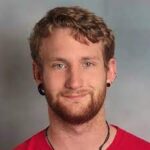
Dr Robert Hammond
Robert Hammond is a Lecturer in the Division of Infection and Global Health, University of St Andrews and has a keen research interest in the development of rapid diagnostics to identify susceptible and resistant bacteria in less than 30 minutes.
Read full profile ↓
He is an Accredited Biomedical Scientist with a particular interest in microbiology. Dr Hammond was educated in Northern England where he grew up and attended the universities of Strathclyde and Glasgow to attain his Undergraduate and Masters Degrees. Dr Hammond subsequently completed his PhD at St Andrews in 2016. In the same year Dr Hammond and colleagues won a Longitude Prize Discovery Award. In 2018 Dr Hammond and colleagues spun out a company and took on the role as an Industrial Research Fellow while being nominated and winning the Scottish Life Science Innovation of the Year Award (2018). In 2022 the Royal Academy of Engineers Honourd Dr Ahmmond by naming him Young Engineer of the Year. All of these honours have been surrounding the novel diagnostic technology, SLIC, which is aimed at rapid detection of antimicrobial resistance.

Professor Damion Corrigan
Damion Corrigan is currently the LGC Professor in Measurement Science for Health and leads the Centre for Advanced Measurement and Health Translation – a joint initiative with the National Measurement Laboratory (NML) at the Laboratory of the Government Chemist (LGC) and the University of Strathclyde.
Read full profile ↓
The aim of the centre is to develop cutting edge interdisciplinary projects which drive new healthcare and measurement science R&D in Scotland.Using his core expertise in electrochemical sensing, analytical chemistry and device fabrication his research aims to develop improved diagnostic tests for clinically important conditions such as, drug resistant bacterial infections, COVID-19, sepsis, cancer and epilepsy. His group works on a range of sensor systems, from high value microfabricated arrays, to wearables and through to low cost devices for use in resource limited settings. In addition to academic research, translational activity is an important aspect of the group’s work ensuring that developments from the lab ultimately find real world application. As a result of this, he is the co-founder of two spin-out companies (Aureum Diagnostics and Microplate Dx) and centrally involved in their ongoing R&D activity. Damion’s work is often highly interdisciplinary involving industrial partners (e.g. GSK, National Nuclear Laboratory, AstraZeneca, Lifescan, Aptamer Group, FlexMedical Solutions, Biotangents and other SMEs) and projects rely on close collaboration with other academics,

Professor Mark Chambers
Mark occupies a privileged joint appointment between the Schools of Veterinary Medicine and Biosciences in the Faculty of Health and Medical Sciences at the University of Surrey.
Read full profile ↓
This allows him to pursue his passion for the development, application, and evaluation of disease intervention strategies in their very broadest sense, bringing him into transdisciplinary collaborations internally and externally to the University.
Much of his research past and present has focussed on researching creative ideas for addressing endemic diseases of livestock – mostly bovine tuberculosis and latterly, bovine respiratory disease (BRD), as a complex of coinfections.
Since joining the University in 2013, he has led on the development of a laboratory model of the cow lung to gain new insights into tuberculosis and BRD, the study of non-tuberculosis mycobacteria, and was recently part of a large European consortium that studied the risk of transfer of antimicrobial resistance across agriculture, livestock, and human boundaries.
He is currently working on the development of a LAMP diagnostic assay for BRD funded by the BBSRC, human oncoviral therapy (especially to bladder cancer) with Professor Hardev Pandha, and innovative design-led approaches to improve infection prevention and control awareness and implementation to reduce reliance on antibiotics, whilst developing collaborative projects in the areas of improved tuberculosis vaccines and in vitro organoid models for their assessment, feline asthma, racehorse lameness exploiting AI approaches, and computerised fluid dynamic modelling of airflow in cattle sheds.
He has decades of experience of vaccine development and licensing for the veterinary sector, including diagnostic test development and validation.
Driven by a One Health, One Medicine ethos his ambition is to make the University of Surrey a centre of excellence for research on BRD and see a new therapy for bladder cancer enter the clinic.

Professor Roberto La Ragione
Roberto graduated in 1995 and then went on to study for a post graduate degree in veterinary microbiology at the Royal Veterinary College (University of London). In 1996 he moved to the government’s Veterinary Laboratories Agency (VLA) to undertake a PhD on the pathogenesis of E. coli in poultry.
Read full profile ↓
On completion of his PhD studies, Roberto commenced a post-doctoral position at Royal Holloway, University of London, studying E. coli virulence factors and vaccine development. Since 2001 his work has focused largely on the analysis of the colonisation, shedding and transmission of E. coli O157:H7 by all farmed animal species and he has led a number of commercial, Defra, research council (BBSRC, MRC, EPSRC, AHRC, Innovate) and EU projects in this area. He has published extensively in the area of host-microbe interaction with a particular emphasis on E. coli and Salmonella.
His current research interests focus on the pathogenesis of food-borne pathogens with a particular interest on AMR and the development of intervention strategies including vaccination, pre and probiotics for the control of bacterial pathogens such as Salmonella, Brachyspira and E. coli in food producing animals.
In 2005, Roberto was appointed Head of Pathogenesis and Control at the AHVLA and in 2010 he was appointed Professor of Veterinary Microbiology and Pathology at the University of Surrey. He gained the FRCPath in 2010 and in 2012 was appointed the Associate Dean for Veterinary Strategy in the new School of Veterinary Medicine at the University of Surrey. In 2014 he was appointed to the position of Head of the Department of Pathology and Infectious Diseases and Director of the Veterinary Pathology Centre. In 2019 he was appointed Deputy Head of the School of Veterinary Medicine at the University of Surrey. In 2021 he was appointed Head of the School of Biosciences and Medicine. He is the past president of the Med-Vet-Net Association and the Veterinary Research Club, the current Chair of the Humanimal Trust, a Trustee of the Houghton Trust, a member of the APHA Science Advisory Board, a member of the FSA ACMSF AMR sub-committee and the Chair of the Royal College of Pathologists Veterinary Pathology SAC. Roberto is an Associate member of the European College of Veterinary Microbiology and in 2020 he was awarded Honorary Associateship of the Royal College of Veterinary Surgeons.

Dr Abel B. Ekiri
Abel holds a veterinary degree from Makerere University (Uganda) and MS and PhD degrees in epidemiology from the University of Florida (USA). Additionally, Abel is a board-certified member/diplomate of the American College of Veterinary Preventive Medicine (DACVPM).
Read full profile ↓
Abel values interdisciplinary collaborative research and has interests and experience in the application of clinical, field, molecular and analytical epidemiology, and One Health approaches to address research questions relevant to animal health and public health in both developed and resource-limited settings. Prior to his current role, Abel contributed to research activities on livestock health, management and production and antimicrobial use practices of animal health professionals in sub-Saharan Africa. Previously Abel was a Research Scientist at the One Health Institute at the University of California-Davis (USA) and at North Dakota State University (USA), where he contributed to research and capacity building activities in the areas of One Health and transboundary animal diseases in sub-Saharan Africa. Areas of specialism: Infectious disease epidemiology; One Health; Hospital-acquired infections and infection prevention and control practices; Antimicrobial use practices and antimicrobial stewardship.

Dr Munehiro Asally
Munehiro Asally is an Associate Professor, School of Life Sciences, University of Warwick. Munehiro is interested in developing biophysical technologies and tools for synthetic biology, in particular, how electricity and light can be used to modulate membrane potential and how bioelectrical changes can be used to control gene expression.
Read full profile ↓
He has expertise in Molecular biology, fluorescence microscopy, time-lapse imaging, quantitative image analysis, and phenomenological modelling. He studies electrophysiology, electrical signalling in bacteria, biofilms, and swarming and has been published in prestigious scientific journals such as Nature, PNAS and eLife. Munehiro has a track record of many successful collaborations with active-matter physics, non-linear physics, neuroscience, material science, electrochemistry, organic chemistry and robotic engineering. His research has a translational focus and he is the co-founder of Cytecom, a spin-off from the University of Warwick that applies his technology for rapid detection of antibiotic resistance.

Dr Freya Harrison
Freya Harrison is a Reader in Microbiology at the School of Life Sciences, University of Warwick. Her team focusses on chronic infections of hosts whose normal defence mechanisms are compromised.
Read full profile ↓
Her key interests are cystic fibrosis lung infection, chronic wounds (primarily diabetic foot infections) and ventilator-associated pneumonia. In all of these contexts, different species of bacteria come together to form slime-encased multicellular biofilms that protect the microbes within from attack by antibiotics, or by the host’s immune system.
Further, in all cases the infecting bacteria find a unique environment whose physicochemistry differs greatly from the environment inside healthy host tissues, or in standard lab culture conditions. Changes in bacterial physiology due to their abiotic and biotic environment mean that it can be very hard to predict, from standard diagnostic lab tests, which antibiotics might be able to penetrate biofilm defences and kill bacteria in vivo. To better understand how bacteria establish chronic biofilm infection in the cystic fibrosis airways, her team built a new lab model of the environment inside the lungs using lung tissue from pigs slaughtered for meat to build realistic cystic fibrosis biofilms in the lab. Her team worked with a microbiological testing company (Perfectus Biomed Ltd) to translate the lab model into a UKAS-accredited platform for antibiofilm drug testing for commercial clients. She has also started building a similar lab model of the biofilms that form on endotracheal tubes, and which cause ventilator-associated pneumonia. She collaborates widely with colleagues to test a variety of novel therapeutics (including antimicrobial polymers, nanoparticles, phage) on biofilms grown in her high-validity host-mimicking models. Freya is also a founder member of the interdisciplinary AncientBiotics consortium. Colleagues from the sciences and the arts and humanities work together to identify, reconstruct and test infection remedies from medieval medical books in the hope of finding new agents to treat antibiotic-resistant infection. The consortium thinks that these historical texts could hold the key to discovering effective new drugs based on the cocktails of natural products present in the plants and other materials used by our ancestors.
Dr Andrew Marsh
I use a range of techniques to create and discover functional molecules and materials. My research group at Warwick are interested in supramolecular chemistry and chemical biology for applications in medicine, healthcare and the environment.

Professor Matt Keeling OBE
Matt Keeling is a Professor at the School of Life Sciences & Mathematics Institute, University of Warwick. His research focuses on the three E’s: Epidemiology, Evolution and Ecology. He is particularly interested in how spatial structure, heterogeneities and stochasticity affect the emergent population-level dynamics;
Read full profile ↓
as such his work uses a wide range of modelling tools and concepts. While large-scale simulations do play a substantial role in his work, he is also very keen to develop simple modelling techniques that can capture the important dynamics of a system. The lists below give a flavour of his interests: Epidemiology: Optimal control of infection, cost-effective vaccination, policy-relevant prediction, within-host immunological dynamics. Disease include: Foot-and-mouth disease, Avian influenza, and Bovine tuberculosis in livestock; and COVID-19, Measles, Whooping Cough, (seasonal and pandemic) Influenza, Pneumococcal infection and Neglected Tropical Diseases in humans. Evolution: Disease evolution, host response to infection (immuno-epidemiology).
Ecology: Bacteria-phage interactions, spatial habit-use, sea-grass dynamics, quantifying process from pattern.
Development of novel techniques: Pair-wise correlation models, Moment-closure approximations, Meta-population models, Kolmorgorov Forward Equations, Vector dynamics.
For more information on his research and that of his group see the Combatting Diseases pages in SBIDER, or our recent COVID-19 work.
He is an expert in explainable Artificial intelligence to predict AMR and to determine the characteristics of hospital patients commonly associated with antimicrobial resistance.
Dr Elizabeth Fullam
The broad aim of our research group is to use a multidisciplinary approach, using chemistry, biochemistry and microbiology techniques, to decipher which nutrients Mtb can access and use, the mechanisms of import and how Mtb modifies its biology and ability to cause infection when its access to nutrients is altered. We envisage that unravelling what Mtb eats will reveal new mechanisms that can be targeted in the quest for novel strategies and interventions to thwart this deadly disease and improve human health.
Dr Massimo Cavallaro
Machismo Cavallaro is a dedicated team researcher and modeller with a wide range of interests, most of which fall under the umbrella of Life and Health Sciences. He specializes in developing and applying rigorous quantitative solutions, integrating machine learning, scientific computing, and statistical approaches.
Read full profile ↓
He advocates for the use of predictive modelling not just for risk and outcome prediction, but also for uncovering patterns of associations and providing mechanistic explanations.
Before joining Leicester, Machismo was a Research Fellow at the University of Warwick, where he investigated mechanisms of mRNA transcription and later worked at the Zeeman Institute for Systems Biology and Epidemiology, focusing on health data. He holds a PhD in Applied Mathematics from Queen Mary, University of London, UK, and an MSc in Theoretical Physics from Università degli Studi di Catania, Italy.
His research interests also include Monte Carlo methods, explainable AI, and their applications to both natural and man-made systems. Some of the topics he works on are:
1. Artificial intelligence for health
2. Infectious disease modelling and public health
3. Non-equilibrium statistical mechanics and stochastic processes
4. Gene expression and transcription
5. Computational biology
Dr Arun Harish
Arun is the Strategy Director and General Manager – Electronics, at CPI and he leads strategies for CPI’s sustainable growth and impact generation. Since joining CPI in 2008, Arun has held diverse roles spanning technology commercialisation, innovation consulting, fund-raising from private and public sources and business development.
Read full profile ↓
He has also shaped the development of CPI’s National Healthcare Photonics Centre and the Medicines Manufacturing Innovation Centre.
Prior to joining CPI, Arun worked with venture capital funded technology start-ups in the UK (Farfield Group) and India (Tejas Networks), where he held business development and R&D roles. Arun is passionate about the role of innovation centres in enabling economic and societal impact and supporting cluster formation. He is a thought leader on investment readiness for high-growth SMEs, and has acted as Co-Chair for the European Commission’s Independent Steering group on investment readiness linked with SME actions.
Arun holds a PhD in medical nanotechnologies from the Faculty of Medical Sciences, Newcastle University and an MBA from Warwick Business School, where he specialised in entrepreneurial finance and venture capital.
Arun is the Founding Chair of a UK based charity UTSAAH (Uniting to Sustain and Assist Himalayan communities) which supports rural Himalayan communities in the areas of enterprise, conservation and healthcare.

Dr Clare Trippett
Biopharma, biotech and life sciences professional, educated to PhD level with circa 20 years of experience in industry. Passionate about the future of science and technology and the steps we can take to get there. Extensive experience working with clients on project delivery and building collaborative partnerships with large commercial organisations, academic institutes and SMEs.
Read full profile ↓
Experienced with informing strategy and innovation development plans. Demonstrated thought leadership including identification and evaluation of emerging scientific trends with a track record of bringing these in house for strategic business opportunities.
Experienced in engineering biology, bioprocessing and a diverse range of biopharmaceuticals including monoclonal antibodies, viral vectors for gene therapy, mRNA, microbiome and phage therapeutics plus the field of cellular agriculture (cultivated/cultured meat).

Rahul Kapoor
Healthcare is my passion and my profession. For over 15 years, I have been working to create, deliver, and scale solutions that improve health outcomes, access, and affordability for people around the world. I have a diverse and global experience across pharma, device, digital health, and social impact sectors, with a strong track record of leading teams, driving growth, and generating value.
Read full profile ↓
As the Director of Health Tech at CPI, I lead the global healthcare practice with P&L ownership. I work with clients from public and private sectors to offer strategy, funding, and technology development for deep tech innovation projects. I also co-founded Dharma Life, a social enterprise that provides customized products and services to rural households at the bottom of the pyramid. I hold an MBA from London Business School and a BTech in Chemical Engineering from Indian Institute of Technology, Delhi.

Kile Green
NIHR HealthTech Research Centre – Newcastle

Dr Raasti Naseem
Programme manager in the Economic Growth team at Health Innovation North East North Cumbria. Working on a diverse range of healthcare innovations with an interest in AMR. Experienced in healthcare evidence generation, mixed methods approached and have a strong R&D bioengineering background.
Dr Stuart Hannah
Chief Executive Officer – Microplate Dx
10+ years academic and industrial experience in biotechnology, medical devices and diagnostics development for healthcare. Raised >£1M to date in private and non-dilutive commercial funding. Previous Royal Society of Edinburgh Enterprise Fellow.
Read full profile ↓
Microplate Dx are an award winning spinout company from the University of Strathclyde in Glasgow, specialising in developing novel diagnostic solutions to tackle the major global health threat of antimicrobial resistance. The Microplate Dx technology is based on the simple yet highly innovative concept of using highly sensitive biosensor electrodes, modified with miniaturised hydrogel deposits laden with different antibiotics, depending on the infection type being measured. Microplate Dx exists to prevent and control the spread of antimicrobial resistance worldwide. To date, Microplate Dx has raised close to £1M in private equity investment, non-dilutive grant funding and competition wins. A recent clinical feasibility study performed in collaboration with the NHS has shown successful detection of the optimum antibiotic for an infection in well under an hour. We are now working to scale up our first product for difficult-to-treat urinary tract infections, before expanding our platform capabilities into new infectious disease areas of significant clinical need.

Dr Michelle Buckner
Dr Buckner is a Lecturer in the Institute of Microbiology and Infection. Her team’s research focuses on understanding plasmid-mediated antimicrobial resistance in clinically-relevant Gram-negative bacteria. Research in Dr Buckner’s group focuses primarily on:
Understanding how plasmids impact the host bacteria.
Understanding plasmid dynamics among populations.
Devising strategies to reduce the impact of plasmid-mediated resistance.

Dr Magdalena Karlikowska
Magdalena holds a PhD in microbiology from the University of Warwick and 9+ years of academic and industry research experience in microbiology, diagnostics, and clinical trials. Alongside her academic pursuits, Magdalena has extended her influence in the field by providing strategy consulting services to NGOs and actively engaging in public health outreach initiatives in Kenya.
Read full profile ↓
As the CEO of Cytecom, a University of Warwick spinout, Magdalena is leading the development of an innovative diagnostic test that shortens the time for targeted antibiotic therapy selection from days to minutes, ensuring safer and more effective treatment. Through her dedication to advancing healthcare solutions and commitment to making a positive impact on global health, she continues to inspire and shape the future of medical research and innovation.
Dr Jessie Carpenter
Vidiia are an impact company that looks to increase the impact of research by getting work from the lab bench and into real-world use cases, to make real impact. We have in-house Artificial Intelligence (AI) expertise and getting assays to the point of commercialisation often involves putting the test on our device with an inbuilt AI result readout, that’s low-cost, portable and accessible to those with a limited diagnostic background.
Read full profile ↓
Our work includes the development of an MTBC speciation test for more personalised anti-Tuberculosis treatment, due to knowledge of species-specific drug sensitivities and resistances. This is in partnership with KNUST Ghana, the University of Surrey and the Ghanaian National Tuberculosis control program. We have completed a study on retrospective samples in Ghana and currently have interest from a foundation to fund a large-scale impact study on prospective samples provided by the NTP. We have previously demonstrated our device’s ability to detect AMR markers with our university partners in an Innovate grant and we are looking forward to delving deeper into this area and helping increase the impact of our consortium’s research.

Dr Catrina Prince
Catrina is a Veterinarian and is the Antimicrobial Use, Stewardship and Stakeholder Engagement Manager (Antimicrobial Resistance, Policy and Surveillance team) at the Veterinary Medicines Directorate, with a keen interest in AMR diagnostics.

Dr Aisling Glennie
Aisling is a Veterinarian and is the Head of AMR Policy and Communications at the Veterinary Medicines Directorate, with a keen interest in AMR diagnostics
Niloy Acharya
Niloy is the R&D Programme Manager, Surveillance Division, at the Veterinary Medicines Directorate

Kate Agami
AMR Surveillance and Evidence Support, Veterinary Medicines Directorate
Professor Marieke Emonts
As consultant Paediatric Infectious Diseases & Immunology and Honorary Professor of Paediatric Infectious Diseases I have a sound background in clinic and research from the start. I studied Medicine and Biomedical Sciences in Leiden, the Netherlands, after which I combined my Paediatric training with a PhD post in the Paediatric Infectious Diseases Laboratory at Erasmus MC, Rotterdam, The Netherlands.
Read full profile ↓
I completed my PhD on immunogenetics of infectious and inflammatory diseases in 2008. Initially focussing on meningococcal disease I broadened my horizon to include other bacterial infections. My PhD formed the start of wonderful collaborations resulting in participation in two large European funded consortia.The overarching theme in activities is the promotion of diagnostic and therapeutic possibilities for childhood infections, particularly in an era of increasing antimicrobial resistance. This requires focus of the research on:
1. Early recognition of the type of infection: bacterial vs viral, and type of bacterial infection. This can minimise the unnecessary use of antimicrobials in patients presenting with fever at an A&E, and thus prevent antimicrobial resistance.
2. Identification of alternative therapeutic targets, particularly in recurrent infective conditions to circumvent antimicrobial resistance. Innate immune factors could be these targets and elucidating their role in infection will aid in identifying which ones could also be targeted for prevention and/or treatment.
3. Participation in randomised controlled trials facilitating registration of safe and effective antimicrobial/antiviral drugs for paediatric use.
In addition, with my team I have started to explore heallth inequality in infectious diseases. Infections like brain abscesses are more prevalent in the deprived Northeast, and also ED attendance for febrile illness is high for children from low IMD score (more deprived) areas in the region. Please click on the research tab above for further details.This theme is also reflected in my work as consultant Paediatric Infectious Diseases & Immunology at the Great North Children’s Hospital (GNCH) where I look after children with (severe) bacterial, fungal and viral infections. These include meningitis, osteomyelitis (in collaboration with the paediatric orthopaedic team) and congenital CMV infections. With our team, we provide a consultation service as part of the antimicrobial stewardship program. In addition, I am the Paediatric lead for the High Consequence Infectious Diseases Unit in the RVI.I am Curriculum director for the Post Graduate Clinical Research Programmes (Attendance and eLearning) for the Graduate School. I am Deputy Clinical Director and Patient Safety & Governance Lead for the Children’s Directorate, GNCH
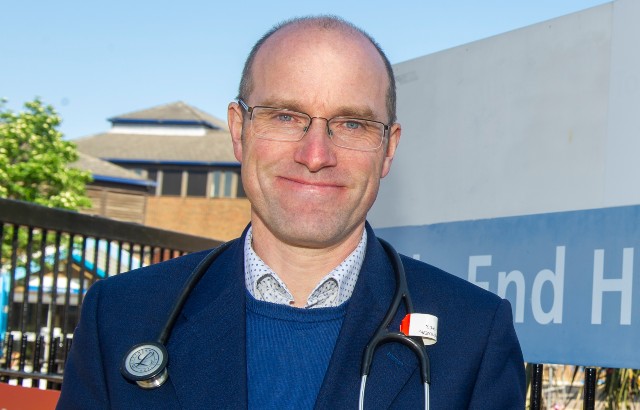
Adrian Martineau
I am Clinical Professor of Respiratory Infection and Immunity and Acting Lead of the Centre for Immunobiology at the Blizard Institute, Queen Mary University of London.
Read full profile ↓
My tuberculosis research encompasses a broad spectrum of investigations incorporating laboratory work, biomarker evaluation, cross-sectional and longitudinal epidemiological studies and clinical trials (phases 2B and 3) conducted both in the UK and internationally (Mongolia, Ethiopia, Uganda and South Africa). I lead the Micro-LTBI consortium, a programme of work investigating a potential microbiological biomarker of latent TB infection in the UK and internationally. My research has been supported by the UK MRC, the UK NIHR and the NIH among others.
Professor Alexander Martin
I am a speciality registrar in infectious diseases and microbiology at Newcastle upon Tyne Hospitals. In addition to my clinical work dealing with antimicrobial resistance and stewardship, I have been involved in predictive modelling in infectious diseases and have dedicated time for clinical informatics, with an interest in how digital tools can help clinicians better understand antimicrobial resistance and make better prescribing decisions.

Dr Denise O’Sullivan
Dr Denise O’Sullivan, Principal Scientist in Analytical Microbiology, is an experienced scientist in applying molecular and microbiological methods in the field of biomeasurement. She works at the National Measurement Laboratory, LGC developing the field of high accuracy measurements and standardisation in microbiology, particularly in molecular diagnostic methodologies which include AMR detection.

Dr Tracey Farragher
Tracey is an epidemiologist who applies advanced statistical techniques to routine data to address a range of health questions. Her research area of interest is in the application of epidemiological methods to routine data to explore the inequalities of health and wellbeing in individuals and communities.

Dr Pip Hearty
I am a mixed-methods researcher that primarily undertakes research with socially excluded groups. A lot of my previous research has been with prisoner populations.
Dr Ron Daniels
Ron Daniels is an NHS Consultant in Intensive Care, based in Birmingham, U.K. He is also the Founder and Chief Executive of the UK Sepsis Trust and sits on the Executive Board of the Global Sepsis Alliance. In 2016 he was awarded the British Empire Medal for services to patients.
Read full profile ↓
Ron’s expertise lies in translational medicine and leadership. He leads the team driving dissemination of the Sepsis 6 treatment pathway and is part of the team responsible for much of the policy and media engagement around sepsis in the U.K. and elsewhere, including the adoption of the 2017 Resolution on Sepsis by the WHO.
At home, Ron’s worked with the NHS over the last 5 years to ensure that, in England, more than 80% of patients presenting with suspected sepsis now receive appropriate antimicrobials rapidly. He’s ever mindful of the perceived conflict, and the synergies and need for collaboration, with the antimicrobial stewardship agenda.
Dr Kate McLintock
Kate is also a GP who works in prisons.
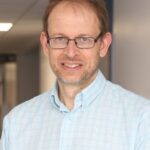
Dr Ashley Price
Ashley Price is a consultant in Infectious Diseases and General Internal Medicine at Newcastle Hospitals and an honorary clinical lecturer at Newcastle University. Since 2018 Ashley has led the infection theme within the NIHR Newcastle MIC. This builds on the close relationship we established with Ashley during our time as the NIHR Diagnostic Evidence Co-operative (DEC) Newcastle. Ashley has extensive experience as chief and principal investigator on several clinical studies. These include two influential studies with the NIHR DEC Newcastle. Ashley has strengthened his national clinical research links through his role as medical lead for COVID-19 vaccine in the North East and North Cumbria, the lead for Infection within the NIHR Clinical Research Network for North East and Cumbria and co-lead of the analytical performance workstream within the COVID-19 National Diagnostic Research and Evaluation Platform (CONDOR).
Read full profile ↓
This builds on the close relationship we established with Ashley during our time as the NIHR Diagnostic Evidence Co-operative (DEC) Newcastle. Ashley has extensive experience as chief and principal investigator on several clinical studies. These include two influential studies with the NIHR DEC Newcastle. Ashley has strengthened his national clinical research links through his role as medical lead for COVID-19 vaccine in the North East and North Cumbria, the lead for Infection within the NIHR Clinical Research Network for North East and Cumbria and co-lead of the analytical performance workstream within the COVID-19 National Diagnostic Research and Evaluation Platform (CONDOR).

Dr Eleanor Kashouris
Eleanor Kashouris is a Mildred Blaxter Fellow in the Department of Sociology at Newcastle University, supported by the Foundation for the Sociology of Health and Illness. Her research focuses on the growing national and international policy interest in community-acquired urinary tract infections (UTIs) as a target for antimicrobial resistance (AMR) strategies, alongside longstanding concerns about patient experiences.
Read full profile ↓
Prior to joining Newcastle, she was a Postdoctoral Research Fellow at the University of Sussex on the Wellcome Trust-funded Marginalisation and the Microbe project. She holds a PhD in Sociology and Criminology from the University of Sussex, where her ethnographic research explored the roles of patients and the public in UTI-related healthcare in the UK. Eleanor is dedicated to fostering equitable and thoughtful approaches to AMR through sociological engagement with patients, clinicians, and public health professionals

Dr Wiebke Schmidt
Wiebke is a Senior Research Scientist, in the Chief Scientist’s group, Environment Agency – and is involved in antimicrobial Resistance (AMR) in the environment, Bathing Waters, and Shellfish Waters.
Read full profile ↓
She is a marine biologist and environmental toxicologist with an interest in coastal water quality, and the occurrence and potential biological effects of anthropogenic pollutants, such as human pharmaceuticals. Further research interests includes antimicrobial resistance in the environment and how climate change will impact the water quality in our coastal waters. In her work Wiebke has used a variety of techniques (e.g. biomarker, proteomics) in laboratory experiments and field studies. Furthermore, she has modelled environmental factors to investigate what drives the water quality (e.g., indicated by E.coli, norovirus & biotoxins) in shellfish waters. This information was used to support shellfish farmers in their management decisions.
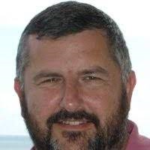
Dr Alwyn Hart
Alwyn is a theme Expert, Air, Land and Water at Environment Agency, managing a group of around 15 expert environmental scientists working on areas such as land and soil quality, water quality, air pollution and radioactive substances regulation.
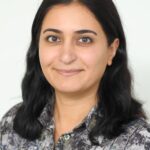
Dr Mojgan Rabiey
Mojgan Rabiey is an Assistant Professor in Host-Microbe Interaction at the School of Life Sciences, University of Warwick. Mojgan’s research focuses on the development of bacteriophage therapy to manage and control challenging bacterial diseases prevalent in agricultural, crop, and forestry settings, offering innovative and sustainable avenues in the battle against antimicrobial resistance.
Read full profile ↓
Her research elucidate the genetic mechanism of phage resistance in pathogenic bacteria and how bacteriophages counter bacterial resistance, presenting a promising alternative to antibiotics.

Dr Loan Notingher
My research interest is the development of new optical and spectroscopic techniques for studying biological materials at a nano and micro-scale. These techniques has the potential to underpin fundamental advances in our understanding of molecular and cellular processes.
Read full profile ↓
My research group develops biophotonics techniques based on Raman spectroscopy to study nanomaterials, live cells and disease diagnosis. In Raman spectroscopy, a laser is used to excite vibrations of the molecules in a sample, therefore a “molecular fingerprint” can be obtained that provides rich in information regarding composition, and structure of biomolecules in cells or molecular structure of bio-nanomaterials. Similar methods can also be used to detect molecular changes in tissues, that can be either the cause or the effect of disease. The main advantage of Raman microscopy is that the information is obtained without need to damage cells or disturb their biological activity by using fluorescent labels or other contrast enhancing chemicals. Current projects range from understanding the interaction of cells with drugs, toxicity assessment, nanoscale optics and spectroscopy, tissue engineering and stem cells, diagnosis of cancer during surgery.
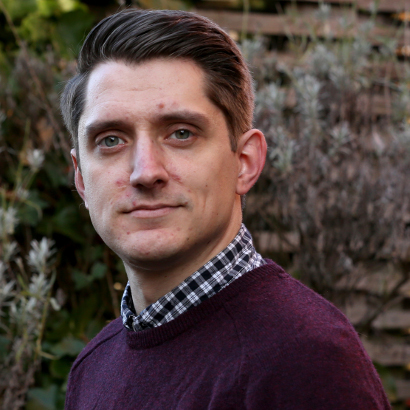
Dr Michael Pound
Mike is a computer scientist whose research focuses on the development of novel computer vision techniques. As part of the Beacon, he is working with bioscientists to apply these computer vision techniques to plant phenotyping, providing accurate measurement of 2D and 3D shape information of plants.
Read full profile ↓
The bioscientists can use this information to explain the underlying mechanisms for how plants grow. Mike has developed tools that allow biologists to measure plant root systems. These have been adopted by researchers all over the world. Mike has been promoted to Associate Professor in the School of Computer Science, having started at the Beacon as a Nottingham Research Fellow.
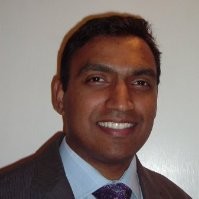
Dr Sridhar Govindarajan
Dr Sridhar Govindarajan completed his First Class Engineering degree in Medical Electronics at Bangalore University, India in 2001. He then moved to Newcastle, UK, for his Masters in Biomedical Nanotechnology and then completed his PhD on Micro Biosensors at Newcastle University in 2008.
Read full profile ↓
He then joined Swansea University as a Postdoctoral Researcher working on multiple innovative projects relating to biosensors and point-of-care medical diagnostics. He was also part of the established Welsh Centre for Printing and Coating and the Centre for NanoHealth at Swansea University. He later moved to Leicester as a Senior Scientist within a spin-out company working on novel cell-based nanostructured biosensors in 2015, before joining De Montfort University as a Research Assistant within EMTERC in 2017. His current research interests include electrochemical biosensors, nanostructured materials for medical diagnostics, flexible electronics, and nanomaterials for renewable energy. He has also taught various modules at undergraduate and postgraduate levels in Electronics Engineering and Maths, and supervised student projects. His research interests lie mainly in: Nano and Screen-printed Biosensors, Electrochemistry, Point-of-care Medical Diagnostics, Printing Technology, Flexible Electronics, and Nanostructured materials for renewable energy applications.

Dr Katie Adam
Katie joined EPIC in August 2022 as a Research Fellow. Her work within EPIC includes translation and communication of science as effective and ethical evidence for animal disease preparedness policy and disease outbreak response.
Read full profile ↓
Katie’s career has covered many aspects of animal health and One Health, including veterinary practice, population health in livestock and aquaculture production, epidemiology, social science, knowledge exchange and public health. Her research interests lie in understanding the links between human and animal health, and in the development and implementation of practical, innovative strategies to prevent and control infectious disease in animal and human populations.
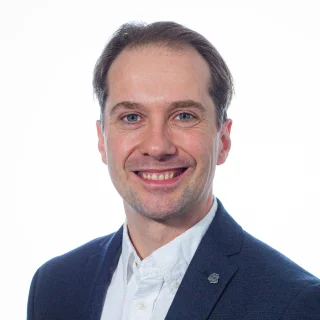
Dr Andrew Dowsey
Andrew has a joint position in Bristol Veterinary School and the Department of Population Health Sciences, Bristol Medicial School. He is AI lead for the John Oldacre Centre at Bristol Veterinary School, where he is also Population Health Theme Lead and Impact Director.
Read full profile ↓
He is Director for Enterprise & Innovation in the Faculty of Health Sciences, is an Associate Director of the HDR-UK South-West Better Care Partnership, and a Turing Fellow. Previously, he was Research Director for Bristol Veterinary School and founding Director of the John Oldacre Centre. He held an EPSRC Postdoctoral Fellowship at the Hamlyn Centre, Imperial College London, an MRC New Investigator Research Grant at the Centre for Advanced Discovery and Experimental Therapeutics, The University of Manchester, and was a Reader in the Department of Electrical Engineering and Electronics at the University of Liverpool.
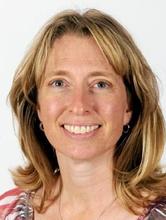
Professor Kristen Reyher
Kristen has worked in livestock veterinary practice in three countries and holds a Doctorate of Veterinary Medicine from Cornell University in New York state as well as a PhD in veterinary epidemiology from the Atlantic Veterinary College in Prince Edward Island, Canada.
Read full profile ↓
Kristen currently leads an interdisciplinary research group (the AMR Force) focussed on antimicrobial resistance with more than £10 million of funding from public sources as well as charities and industry. She also directed the first studies applying a counselling style called Motivational Interviewing to veterinarian-client communication. Kristen was the principal investigator for the Global Resource for Online Evidence-based Veterinary Medicine (EBVM) Learning project which produced the widely used EBVM eLearning site EBVMLearning.org. Her past accomplishments include successfully organising the data collection platform for Canada’s largest livestock research effort through the Canadian Bovine Mastitis Research Network. She is interested in making research more accessible (and accomplish-able) to veterinary practitioners worldwide. Kristen leads an interdisciplinary research group (AMR Force) focussed on antimicrobial resistance and also works on veterinary-client communication as well as evidence-based veterinary medicine.

Professor Lucie Byrne-Davis
I am a professor of Health Psychology at the University of Manchester and an HCPC registered Health Psychologist. Together with Prof Jo Hart, I lead the Health Workforce Group in the Division of Medical Education at University of Manchester. My research and practice are about translating health psychology to support behaviour change, with a focus on health worker behaviours.
Read full profile ↓
I am a Fellow of the Academy of Social Sciences. I hold a Principal Fellowship of the Higher Education Academy and a Fellowship of the European Health Psychology Society, where I was previously Chair of the UN committee. I am co-founder of The Change Exchange, a collaborative of health psychology professionals who work to understand, drive and evaluate behaviour change within health partnerships between U.K. and low and middle- income country health organisations. In response to Covid-19, I co-founded The Health Psychology Exchange, a collaborative of health psychology professionals volunteering and working to support public health, health and care during covid. I have co-created translational behavioural science materials, such as The Cards for Change, which help people to learn about and use behaviour change techniques in their training or conversations. I supervise research in both undergraduate and postgraduate students. I tweet as myself (@luciebd) and as The Change Exchange and The Health Psychology Exchange. I am the Director of International Education Partnerships for the School of Medical Sciences at University of Manchester. In this role, I develop and support partnerships between the University and other Universities worldwide. I was previously responsible for the behavioural and social sciences education of the undergraduate medical students at University of Manchester.
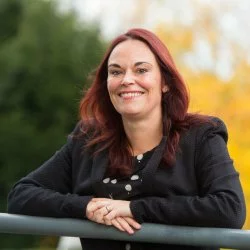
Dr Suzie Hingley-Wilson
I got a glimpse of life at the single cell level using my first microscope for my 10th birthday and was (Leuwen)hooked. During my Masters in Immunology at the University of Birmingham I became interested in the complex immune response to Tuberculosis (TB) and spent my PhD researching how the bacteria that causes TB, Mycobacterium tuberculosis (Mtb) can survive and live within our own immune cells which should kill them.
Read full profile ↓
I moved to the University of British Columbia, Canada, to continue working on this key interaction and whilst there we discovered a mechanism by which virulent Mtb can manipulate host cell death (Journal of Immunology). To look from the side of the pathogen aswell as the host, I moved to Professor Jacob Jnr’s laboratory at the Albert Einstein College of Medicine, New York to learn cutting edge mycobacterial genetics. During my time there as a Howard Hughes funded fellow we elucidated the primary attenuating deletion mechanism of BCG (published in PNAS, cited over 500 times), developed a mutant classification system (Nature Immunology) and took Bill’s student’s phage hunting in the Bronx zoo. Whilst in New York, I also interned at the Nature Medicine office in the Immunology and Infection section. At Imperial College London we tried to try to uncover whether Mtb is dormant (doubtful!) and utilised patient samples to elucidate virulence mechanisms and to uncover the importance of mixed TB infections (published in Emerging Infectious Diseases and NEJM). My move to Surrey was to work in the McFadden lab on many multi-disciplinary projects before setting up my own lab working on TB. Our aim is to understand this complex human disease and to find innovative ways of curtailing this global health threat. Successful awards include the Wellcome Trust valued person award, a current multi-council AMR innovation grant and several multidisciplinary EPSRC project grants.
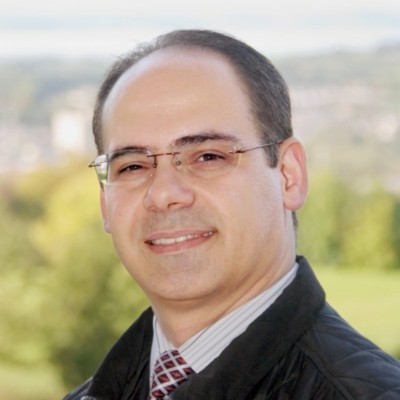
Dr Imad Ahmed
Details coming soon

Dr Ann Bruce
I am an interdisciplinary researcher with a background in both social and natural sciences. My research interests cover innovation and regulation of life science industries, particularly involving animal biosciences.
Read full profile ↓
My research has involved understanding emerging life science developments in their commercial, social, ethical, policy and regulatory environments. I have postgraduate degrees in both natural and social sciences and a long-term interest in innovation in the lifesciences, particularly agriculture. I worked in the agricultural industry and subsequently enjoyed a portfolio career at the Roslin Institute and the University of Edinburgh, while completing a part-time PhD at the Open University. I worked as a Senior Research Fellow at the ESRC Innogen Centre, as ESRC- NERC Agri-food Industry Knowledge Exchange Fellow and undertook an ESRC-Defra policy placement.
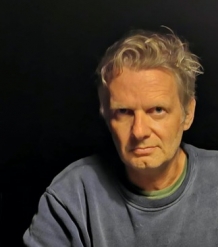
Professor Steve Hinchliffe
Steve Hinchliffe is an elected Fellow of the Academy of Social Sciences and author and editor of numerous books and articles on issues ranging from risk and food, to biosecurity, human-nonhuman relations and nature conservation. His research draws together insights from Science and Technology Studies (STS), particularly actor network theory, and Geography.
Read full profile ↓
Recent publications include the monograph Pathological Lives (2017), the co-edited volume Humans, animals and biopolitics (2016), a Special Issue of Social Science and Medicine on ‘One Health’ (2015) and social science approaches to antimicrobial resistance (2019) and healthy publics (2020). He has recently published on zoonoses, AMR in Bangladesh, Planetary Health and a new volume on More than One Health (2023).Committed to using cutting edge spaital and social science understanding in issues of public and environmental interest, Steve has been an appointed member of the Social Science Research Committee of the Food Standards Agency (2012-2017), and is currently appointed to DEFRA’s Science Advisory Council Social Science Expert Group (SSEG) and the Scientific Advisory Committee on Exotic Diseases (SAC-ED). He is a principal investigator at the Wellcome Trust funded Centre for Cultures and Environments of Health (2017-). Steve led the University of Exeter’s Humanities and Social Science interdisciplinary research theme on ‘Science, Technology and Culture’, and currently co-leads with colleages in Biosciences the University’s Research Network on ‘Microbes and Society’.
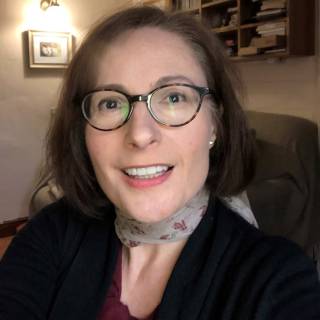
Professor Sarah JL Edwards
Sarah JL Edwards is the Professor of Bioethics at UCL having trained in Psychology, in Philosophy, and in Medical Ethics and Law, concentrating her research career on research ethics and regulation especially in the context of health.
Read full profile ↓
She has a track record of interdisciplinary research and policy work related to public health crises. Based on work she initially published in AJOB 2013 on study design and ethics, and hosting an international conference with WHO in June 2014, she has been closely involved in ethics and social sciences work during epidemics of emerging and re-emerging infectious diseases ever since. Her original work has since been developed with WHO, then under the EDCTP funded PANDORA-ID NET grant to support the African CDC in developing a ‘bottom-up’ Afrocentric policy framework on ethics of research during epidemics for Africa. At UCL, she chairs the University Research Ethics Committee and co-runs the MPA Health degree and professional education programme on research ethics and regulation in the Department of Science, Technology, Engineering and Public Policy (STEaPP).
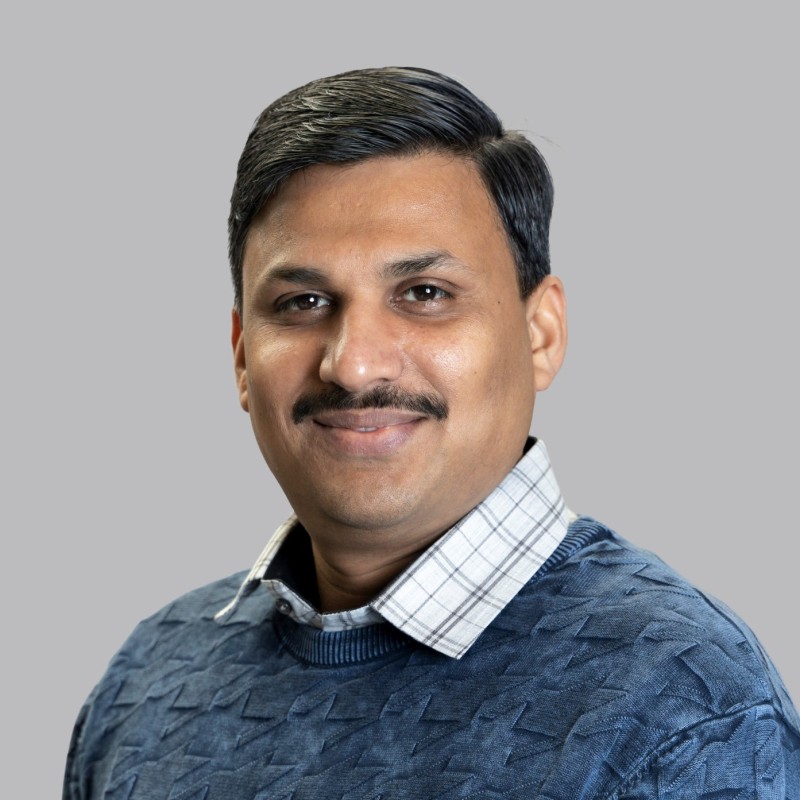
Dr Rupesh Chikhale
Experienced scientist with a demonstrated history of working in the drug discovery research in industry and academia. Skilled in Computer aided drug design, Medicinal Chemistry, Organic Synthesis, Molecular modelling, Protein modelling, Molecular Dynamics simulations, Free Energy Perturbation, Chromatography, High-Performance Liquid Chromatography (HPLC), UV, CD, FID and Biophysical studies. Doctor of Philosophy (PhD) in Medicinal and Pharmaceutical Chemistry.
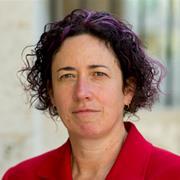
Professor Joanne Santini
The Santini Lab’s core expertise is in microbiology, which we apply to a wide range of areas in a bid to improve our understanding of the interactions between microbes and the environments in which they live.
Read full profile ↓
We have backgrounds in molecular biology, microbiology, genetics, biochemistry, agricultural and environmental sciences. In collaboration with structural biologists, biophysicists, chemists and geologists in particular, we use an interdisciplinary approach to study how prokaryotes influence, and are influenced by, the environment.
Research Interests Microbial metabolism, gene regulation, biosensors, extremophiles, bioleaching, transcriptomics, bacteriophages, plasmids, bacterial conjugation

Professor Elhadj Benkhelifa
Elhadj Benkhelifa is passionate academic and researcher with almost 20 years of experience and demonstrable leadership skills at an international level. His research focuses on the development of solutions to support the next generation digital transformation’s technologies and paradigms.
Read full profile ↓
Elhadj is currently a full Professor of Computer Science and Digital Innovations at Staffordshire University, where he is also the Head of Professoriate leading a large body of all Associate and Full Professors across the whole University with the mission to contribute, influence, shape and enable the collective advancement of the University’s strategies and develop excellence in T&L, research and enterprise. He is also a member of the University Research Ethics Committee. Elhadj is the Founding Director of the Smart Systems, AI and Cybersecurity. Research Centre (SSAICS), responsible for growing the research portfolio in the Digital, Technologies and Art (DTA); leading 15 Staff and 23 PhD students the SSAICS research centre is established to be the hub for interdisciplinary research in ‘digital’ across the University. Between 2014 and 2016, he was the Director of the Mobile Fusion Applied Research Centre (MF-ARC), leading more than 18 Staff and 45 PhD students.
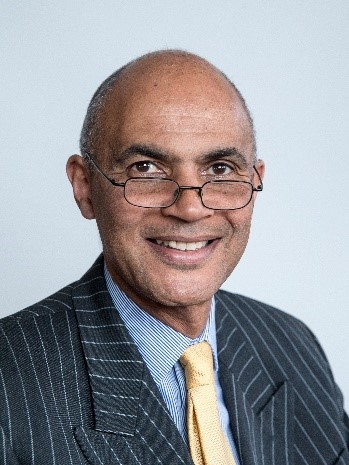
Alan Davies
Alan Davies MBA ex-Director of Innovation and Partnerships at Health Education England and now NED, Strategy Consultant & Health & Care SME Board Adviser and Mentor. Alan has spent the past 7 years working in executive Director roles within the NHS mainly associated with Digital enabled transformation.
Read full profile ↓
He led on strategic digital themes across the AHSN Network, sat on his two respective ICS digital boards and was a member of national steering groups for high profile pieces of work including the NHS Empower the Person (NHS App), NICE DHT Evidence Standard Framework, AI Lab Board and the HEE led Topol review. Prior to which Alan’s experience of over 30 years includes strategic exec directorship roles in the multinational MedTech / assistive technology industry (Philips & Tunstall Healthcare) and prior to that had a long career in multinational management consultancy (Partner PA Consulting, PwC and Gemini Consulting).
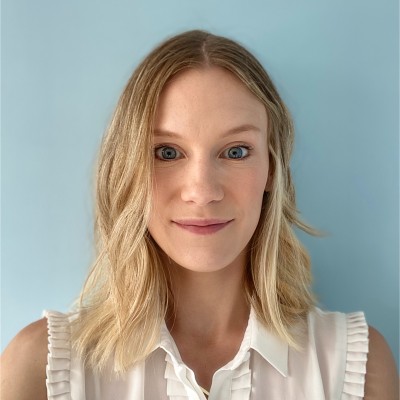
Joy Allen
Health Economics Manager, Roche Diagnostics UK & Ireland Dr Allen has extensive experience and understanding of study design and methodological issues surrounding the evaluation of in-vitro diagnostic devices.
Read full profile ↓
With 10 years of training in applied mathematics and theoretical physics, Joy took on a new challenge in 2014 when she joined the DEC and applied her analytical and problem solving skills to diagnostic test evaluation research. Luckily, a strong grounding in mathematical modelling and an inquisitive mind made the transition (albeit scary!) a successful one. She has designed and analysed many of the DEC and MIC’s projects to date including the clinical and health economic evaluation of rapid tests for viral infections, infections which confer antibiotic resistance and inherited conditions such as familial hypercholesterolemia. Joy has also spearheaded the academic development of the DEC/MIC by securing collaborations with leading expertise in research into the interdisciplinary methodologies involved in evaluations of diagnostic tests and medical devices and continues to advocate methodological development throughout all the MIC’s projects.
While Joy is fascinated by many areas of test evaluation research, a key personal interest is the development of novel methodologies to aid the evaluation of new diagnostic tests and devices when the current reference standard is non-existent or imperfect and supervises a PhD student in this field.
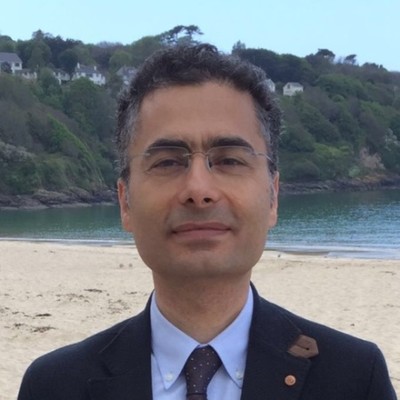
Huseyin Seker
Huseyin is a research-oriented and enterprise-focused academic and manager with both academic and industry experiences in data science, artificial intelligence, machine learning, and emerging & disruptive technologies/systems.
Read full profile ↓
He has published over 100 peer-reviewed articles, developed and deployed several data-driven AI tools, and has been involved with a portfolio of collaborative research, enterprise and teaching/learning projects of over £25M as PI, Co-I and international researcher in collaboration with universities and companies in the UK and abroad. He was one of the founding members of the Institute of Coding and lead its activities at Northumbria University until September 2019. He is currently working as Professor of Computing Sciences and Associate Dean (Research, Innovation & Enterprise) for the Faculty of Computing, Engineering and the Built Environment in Birmingham City University.
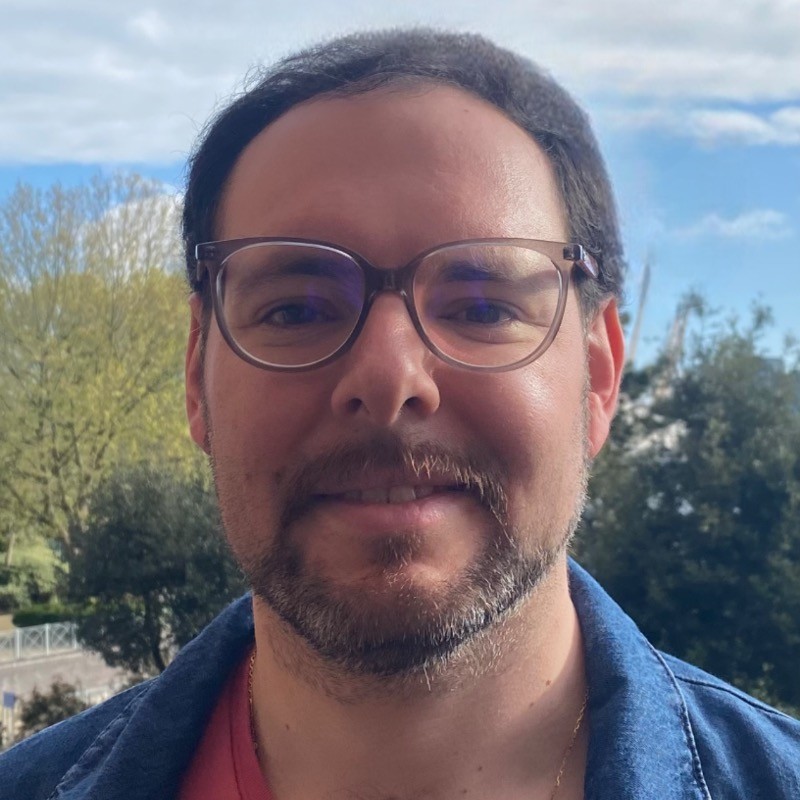
Dr Kasim Allel
I began my academic journey in Chile🇨🇱, studying engineering and economics, before advancing to an MSc in Health Economics at UCL and a PhD in Infectious Diseases at LSHTM in the UK.
Read full profile ↓
My research primarily focuses on the transmission of antimicrobial resistance (AMR) bacteria in low- and middle-income countries, examining how socioeconomic, environmental, spatial, and anthropological factors influence transmission, as well as the associated burden and economic impacts post-infection. My interests extend to infectious disease epidemiology and global health threats, emphasizing the swift and effective design of public health policies. Currently, I am engaged in various health projects across Sub-Saharan Africa, Eastern and Western Europe, and Latin America. These projects address critical issues such as AMR, tuberculosis (TB), early childhood development and malnutrition, Zika virus, HIV, COVID-19, rabies, life-course epidemiology, and healthy ageing.
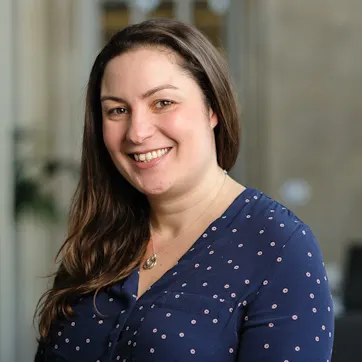
Dr Sarah Tonkin-Crine
I am a Health Psychologist and Senior Researcher funded by the NIHR Health Protection Research Unit (HPRU) on Healthcare Associated Infections and Antibiotic Resistance.
Read full profile ↓
I am an expert member of the Government’s Advisory Committee on Antimicrobial Prescribing, Resistance and Healthcare Associated Infection (APRHAI) which provides practical and scientific advice to the government on minimising the risk of healthcare associated infections.
I work on projects aimed at reducing unnecessary antibiotic prescribing in primary care. This is important because antibiotics are a scarce resource and evidence indicates that they are often prescribed unnecessarily for uncomplicated acute infections. I am interested in changing the behaviour of patients, so that they consume fewer antibiotics, and the behaviour of clinicians, so that fewer antibiotics are prescribed.
I have a particular interest in qualitative methods and undertaking exploratory research with populations to find out why people behave in a certain way. My previous research has involved both primary and secondary analysis of qualitative data and triangulation of mixed methods data.
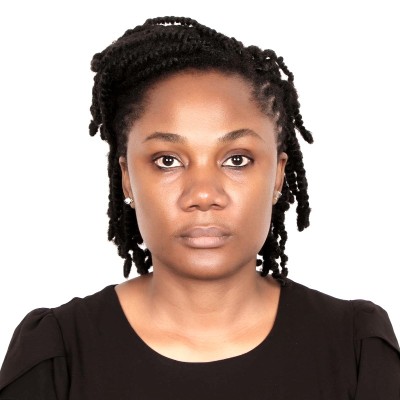
Ms Chika Anumnu
Dynamic Administrator with Expertise in Operations, Finance, and Administrative Management
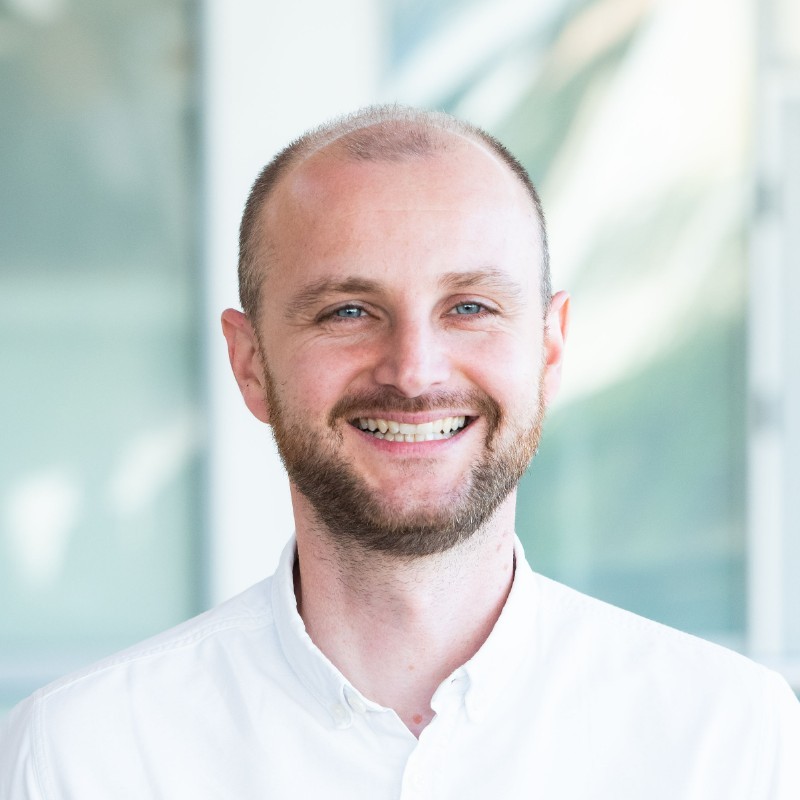
Dr Yoann Personne
BioMérieux – Director Medical affairs,
I have experience in infectious disease with a PhD on tuberculosis and 4 years post-doctoral experience as a Molecular and Microbiology scientist.
Read full profile ↓
I worked alongside industry partners for 4 years, and within industry for 6+ years in customer-facing positions in scientific and medical affairs.
Topics of expertise and interest: Infectious disease (Respiratory, Bloodstream, CNS, Gastrointestinal, Joint infection); AMR/AMS; Sepsis, Acute Kidney Injury (AKI).

Dr Becky Gosling
I am the technical team lead for the Biohazards team at HSE. Our focus is to assess, control and improve the health of workers during their day to day roles. Our current focus is around workers processing material for waste and recycling, and biological exposures around anaerobic digestion sites.
Read full profile ↓
I work with the policy teams to identify research gaps and needs, and develop scientific approaches to addressing these.
Prior to this role worked with foodborne zoonoses. I am an experienced research scientist with a demonstrated history of working in the field of food borne zoonoses. I led research into the efficacy of disinfectants in the control of food borne diseases on livestock farms and related farming environments, and investigate risk factors for disease persistence.
I have strong research professional skills in Life Sciences, Data Analysis, Laboratory Skills, Training and Science.
Dr Jon West
Jon West is a principal research scientist at Rothamsted Research, leading a team working on applied multi-disciplinary crop protection projects, particularly in plant pathology and aerobiology. Jon obtained a BSc in Biology from Royal Holloway, London in 1990 and a PhD in Plant Pathology at Reading in 1994.
Read full profile ↓
At Rothamsted, since 1997, Jon’s work has focussed on the biology and control of fungal diseases, measurement of plant disease resistance, early detection of diseases by optical sensing and monitoring dispersal of airborne spores. Recent work on airborne spores has led to new methods for inoculum detection and forecasting, and monitoring changes in pathogen populations. Optical sensing research can be used for phenotyping responses to pathogens and for early detection of infection. Jon works on a wide range of systems including diseases of wheat, oilseed rape, potatoes, beet and tomato. Currently, Jon works on several research projects, managing one senior postdoctoral research scientist, one research assistant and two PhD students. Jon has built academic and industry consortia to secure over £2M funding in the past 10 years from InnovateUK (BBSRC), EFSA, AHDB and the EU. Jon is an accomplished communicator with agricultural personnel and scientists at all levels and was a member of the EFSA Plant Health Panel (2015-2018), secretary of the BCPC diseases working group and a member of both the Association of Applied Biologists and the British Society for Plant Pathology. Jon’s work has been recognized with an honorary Professorship from the Anhui Academy of Agricultural Sciences, China.
Dr Dahlia Salman
CEO & Co-Founder at Bioxhale Ltd. Bioxhale Ltd is on a mission to make breath testing for everyone, everywhere at anytime, with our breath sampling devices, processes and services. We have developed a range of products (including breath sampling devices and breath biomarkers) to develop the next-generation diagnostic tests for early disease detection and precision medicine.
Dr Victor Higgs
Managing Director at Applied Nanodetectors (AND). AND specialises in nanosensor-based solutions for global environmental, healthcare, and medical markets, pioneering an innovative platform for point-of-care exhaled breath tests to manage and prevent chronic respiratory conditions.
Read full profile ↓
Our technology integrates AI-driven analytics into sensor design, enhancing diagnostic accuracy and enabling early intervention and has developed a point-of-care breath test for asthma diagnosis and management, as well as research demonstrating proof of concept for distinguishing between viral and bacterial respiratory infections, including pneumonia—helping to reduce unnecessary antibiotic use. Collaborating with the NHS, UK hospitals, and international healthcare providers, AND combines cutting-edge nanotechnology with respiratory care expertise. The company manufactures sensors and licenses its technology, creating a scalable and recurring revenue model. Key partnerships with industry leaders such as Samsung, Philips, and global hospitals further reinforce AND’s leadership in next-generation respiratory diagnostics.
Dr Antoine Culot
Co-CEO & CTO @ Rime Bioinformatics – PhD – Engineer in Agronomy. Rime Bioinformatics is a research and development biotechnology company with a focus on bioinformatics. We develop services to speed up medical, agronomic and veterinary research. Our technologies grant in-depth view of bacterial and bacteriophage genomes, which is an essential prerequisite in the R&D process that leads a phage to market. We work hard to make high-performance bioinformatics accessible and promote a safe use of phage therapy for the patients and the environment !

Dr Stephen Birchall
Senior Scientist at Mast Group Ltd. Mast Group Ltd is a UK based leading independent European manufacturer and supplier of clinical diagnostic products. Established in Liverpool in 1957, Mast Group has grown into a multinational company exporting globally.
Read full profile ↓
The corporate headquarters Mast Group Ltd are based in Bootle and has subsidiary companies in Reinfeld (Mast Diagnostica GmbH) and Amiens, France (Mast Diagnostic). Mast Group were among the first companies to commercialise the antibiotic disc, and continue to work with major pharmaceutical companies worldwide in the development of new and exciting products. Mast Group focuses on the susceptibility, identification and resistance along with offering molecular and immunochemistry solutions for the IVD market. This is achieved through the investment in personnel, R&D and infrastructure, including state of the art manufacturing facilities in Merseyside. This enables Mast Group to provide tools to aid in the diagnosis of clinical disease, from pioneering antibiotic susceptibility testing to novel molecular solutions, Mast Group continues to develop products for the ever changing IVD market, creating solutions to support clinical diagnosis today and into the future.
Miriam Onwunle
Scientific Programme Officer at UK Health Security Agency. Master of Public Health Graduate with a project management and advocacy background. I am interested in global health and am looking to apply the skills I have gained in my master’s on improving health promotion internationally.
Dr Jean-Louis Duprey
Head of Research and Development at Linear Diagnostics Ltd. Developing DNA based rapid diagnostic assays for infectious diseases. Research into DNA modification at PhD and Post-Doctoral level.
Read full profile ↓
Specialties: DNA assays, Medical diagnostics, Biophysical analysis, Data analysis, Organic chemistry, Bioorganic Chemistry, fluorescent DNA sensing, bioinorganic chemistry, molecular modelling. Linear Diagnostics Limited (LDL) is a diagnostics company based on a novel technology that allows wide range of molecular diagnostics tests to be carried out using a simple optical system. The technology provides significant advantages over the current state of the art allowing a more rapid detection of multiple targets using a single simple reagent. Such a solution has applications in a number of high-value sectors including health, food, defence and security. LDL has also established development partnerships with a number of end users including clinical microbiology, food producers and defence medicine.

Dr Reshma Silvester
Reshma Silvester is a Postdoctoral Researcher at Bangor University, North Wales, working under the UK Government’s PATHSAFE program to monitor the impact of hospital-
Read full profile ↓
derived wastewater on pathogen and antimicrobial resistance (AMR) loads in North Wales. A microbiologist with 15 years of experience in AMR research, she is passionate about addressing this global challenge. Previously, Reshma was a fellow at the Centre for Disease Dynamics, Economics, and Policy (CDDEP), focusing on global AMR mapping in food-producing animals in LMICs. Her postdoctoral work includes projects on antibiotic resistance in aquaculture, transmission of carbapenem-resistant Klebsiella pneumoniae via seafood, and in-silico AMR surveillance using whole-genome sequencing data. She holds a Ph.D. in Microbiology, specializing in Vibrio spp. genotyping and virulence characterization from food and environmental sources in India.
Professor Davey Jones
Davey Jones holds a Professorial Chair in Environmental Science and Public Health at Bangor University. Previously, he was a Postdoctoral Research Fellow held jointly between Cornell University and the US Department of Agriculture in the USA (with Prof Leon Kochian).
Read full profile ↓
He also carried out postdoctoral work under Prof Simon Gilroy at Penn State University (now Madison, WI). A major focus of his research is on understanding below-ground processes with specific focus on nutrients and human pathogen behavior in water-food-soil-plant-microbial systems. His research portfolio is quite broad – reflecting his interests from natural sciences through to social sciences (i.e. science linked to changing human behaviour). He has advised UK and Welsh Government on their COVID-19, public health, agriculture, waste and climate change policies. His research is funded via UKRI (NERC, EPSRC, BBSRC), Welsh Government, DHSC, UKHSA, Food Standards Agency, DEFRA and the European Union. He was a member of the SAGE COVID-19 sub-committee ‘Transmission of Covid-19 in the Wider Environment Group (TWEG)’ and was head of the Covid-19 Technical Advisory Group – Environment (TAG-E) for Welsh Government and reported to the UK Government COVID-19 Public Inquiry. He also collaborates with industry to deliver novel solutions to environmental problems and improve product sustainability. He currently leads the ‘Wastewater-based public health surveillance programme for Wales’ and sits on the UKWIR Substances of Emerging Concern Advisory Group (SECAG).

Dr Wendy Lawley
Knowledge Exchange Manager (Faculty of Science) at The University of Sheffield
Mr Victor Vincent Mosha
Medical Microbiologist at Kilimanjaro Clinical Research Institute

Dr Azhar Salari-Jazi
Azhar Salari Jazi currently leads the Drug Development and Innovation Center at Behban Pharmed Lotus in Tehran, Iran, and remotely heads drug development at HISEPT GmbH in Germany. Holding a Ph.D. in Medical Bacteriology with a focus on drug design, molecular screening, and antibiotic resistance, he is committed to contributing to efforts to combat antimicrobial resistance globally.His research experience ranges from designing novel antibiotics and anticancer agents to leading drug development projects, currently in phase Ia clinical trials. Azhar has extensive expertise in bioinformatics, machine learning, and pharmacokinetics.
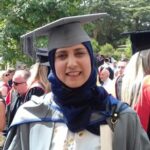
Dr Nawel Bessadet
Dr. Bessadet is a medical doctor and Public Health specialist with an MD and MPH. She is a faculty member at the Department of Public Health, Birmingham City University, UK, with nearly 15 years of experience in medical practice, teaching, and research.
Read full profile ↓
Her expertise lies in antibiotic misuse and resistance, particularly among ethnic minorities. Her Distinction Masters Dissertation addressed critical issues of antibiotic misuse in these communities, leading to the development of impactful models to tackle the issue. Previously, Dr. Bessadet was a Research Fellow at Keele University and a Lecturer at Staffordshire University. She has consulted for international projects in France, UAE, and Algeria. During the Covid-19 pandemic, she analyzed its impact on populations, and her current research continues to focus on antibiotic misuse among minority groups, incorporating behavioral change theories as interventions.

Dr Mandy Townsend
Mandy Townsend is a Strategic Healthcare Leader committed to driving innovation for patient safety and pathway transformation. In her current role as Associate Director at Health Innovation North West Coast, she focuses on enhancing patient safety and healthcare delivery through strategic leadership and innovative approaches.
Read full profile ↓
Mandy excels in partnership development, having played a key role in implementing policies and strategies that have made a measurable impact on both national and local health systems. Her dedication to healthcare transformation is reflected in the successful projects she has led, significantly advancing care pathways and fostering system-wide improvements. With deep expertise in healthcare strategy and implementation science, Mandy has been instrumental in driving progress within the NHS, ensuring that every intervention is both effective and elevates the standard of patient care.

Dr Fadi Soukarieh
I am a lecturer in Medicinal Chemistry at the University of Sheffield. My research vision is primarily focused on the design of novel approaches to tackle bacterial infections and antimicrobial resistance (AMR) using medicinal chemistry solutions and drug discovery tools for the development of new chemotherapy candidates against bacterial pathogens with unprecedented modes of action.
Read full profile ↓
I implement a highly collaborative multidisciplinary research theme integrating not only medicinal chemistry and computational chemistry but also drug delivery, surface chemistry and artificial intelligence to accelerate the discovery of antimicrobial agents against multi-drug resistant pathogens.

Dr Jess Mitchell
Jess is a behavioural ecologist with an interdisciplinary background across Zoology to the Social Sciences. Jess is broadly interested in the behavioural drivers which underpin One Health challenges such as antimicrobial resistance (AMR).
Read full profile ↓
Her research uses community engagement and co-production methods to understand these challenges and co-develop locally meaningful solutions which can support behaviour change, feed into policy-level discussion and prompt sustainable systemic action. Her current Chancellors Fellowship seeks to explore antimicrobial usage and stewardship in wildlife-associated communities in attempt to contextualise wider One Health understanding of antimicrobial resistance. This builds on six years of research with the CE4AMR network to develop community engagement approaches to explore and tackle AMR in low resource settings. She sits on the Quadripartite working group for Youth Engagement with AMR, is a Fleming Fund Mentor to the 2024-25 cohort and has led research projects around AMR educational resource development in Nepal. Beyond AMR Jess works on snake bite prevention in collaboration with the University of Swansea, with a focus on story-telling methods to promote human-snake coexistence
Dr Lesley Boyd
Lesley Boyd (LB) is a crop pathologist with 30 years’ experience. LB joined Niab in 2012 as a Research Programme Leader. She is an international expert on the genetics and biology of cereal – rust interactions.
Read full profile ↓
Currently she runs research programmes on the chemical communication between wheat and the fungal pathogens responsible for yellow, brown and black rust, and on cereal ergot. Her discovery that yellow rust uses wheat volatile organic compounds (VOCs) to germinate and locate stomata led to the development of a biomimetic biosensor that can detected viable spores in-field and in real-time.

Dr Helen Bates
I am interested in plant-microbe interactions, how fungi sense and respond to both biotic and abiotic factors in their environment and the influence of the soil microbiome on plant-pathogen interactions.
Read full profile ↓
My research over the past five years has focused on using DNA and RNA sequencing technologies to investigate plants and plant pathogen interactions. I have developed the nanopore sequencing facilities at NIAB East Malling enabling us to achieve very long read DNA sequencing of plant, fungal and insect genomes as well as direct RNAseq to gain insights into the transcriptome and control of gene expression. I am currently involved in two projects developing techniques to investigate protein:protein and protein:DNA interactions in the control of gene expression (EMSA, IP, co-IP, HA-tag and biotin-label pulldowns, ChIP-PCR and ChIPseq) in response to nutrients (Fusarium venenatum Mycoprotein) and light and temperature (Verticillium dahliae).
Dr Stuart Wili
Agri Samplers specialises in the design and manufacture of environmental and agricultural scientific instruments used worldwide to advance the understanding of crop diseases, airborne allergens, and pathogens.
Read full profile ↓
Led by Director Stuart Wili, who brings over 30 years’ experience—including senior roles at Burkard Manufacturing Ltd and Burkard Scientific Sales Ltd, and involvement in developing air sampling equipment for NASA—the team combines expertise in electromechanical, electronic, software, and biochemical technologies. Agri Samplers’ engineers are skilled in precision design, CAD, 3D printing, CAM, CNC machining, and the production of specialised air sampling and laboratory equipment. Operating from purpose-built UK facilities with R&D labs, test centres, and on-site manufacturing, the company is an accredited supplier of scientific instrumentation sold and used globally, with proven experience in bringing innovative products to market.
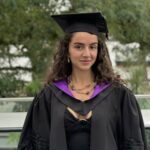
Virginia Belvedere
Virginia Belvedere is a first-year PhD student on the BBSRC-funded London Interdisciplinary Doctoral Programme (LIDo), with a strong background in antimicrobial resistance (AMR) research.
Read full profile ↓
Her academic experience includes a placement at the University of Oxford’s Modernising Medical Microbiology Lab within Johns Hopkins Hospital, where she worked to improve AMR testing in patient samples using high-resolution fluorescence microscopy, and an undergraduate project at the UCL Institute of Child Health in collaboration with Great Ormond Street Hospital, where she compared gold-standard phenotypic assays with genomic methods such as RT-qPCR and Nanopore whole genome sequencing (WGS) to study carbapenemase-producing organisms. Her current PhD research, in collaboration with researchers at the Royal Veterinary College, focuses on Mycobacterium tuberculosis, investigating how variations in membrane potential among single colony variants influence infection dormancy and persistence to further understanding of the complex biology and pathogenesis of tuberculosis in humans. She is passionate about applying bioinformatics and programming to advance antibiotic stewardship and inform healthcare policy, with a strong foundation in data analysis and computational biology, and is committed to developing innovative solutions that promote responsible antibiotic use and combat antimicrobial resistance.

Dr Maria Stroyakovski
Virginia Maria Stroyakovski is a Postdoctoral Research Fellow in the Department of Structural and Molecular Biology at University College London. She earned her BA in Biological Sciences from the University of Oxford in 2017, followed by a PhD in Microbiology from the University of Cambridge in 2024.
Read full profile ↓
Her research focuses on bacteriophage therapy for multidrug-resistant bacterial infections, with a particular emphasis on Klebsiella pneumoniae and Pseudomonas aeruginosa. Maria has collaborated with institutions such as Great Ormond Street Hospital and Yale University, including isolating phages for clinical applications, which prompted participation in efforts to inform phage therapy regulations through international collaboration.
She has a strong interest in AMR and in the evolutionary interactions of microorganisms with their predators, their environment, and their opportunistic hosts.

Dr Jon R Sayers
I teach graduate classes in biochemistry, protein/DNA sequence analysis, protein engineering of novel therapeutics and structure-based drug discovery.I studied Chemistry (University of Birmingham, B.Sc. 1983) where I went on to gain a Ph.D. (1986) in the Nucleic Acids Group. Thesis title; Synthesis of Nucleoside Analogues.
Read full profile ↓
In 1986 I joined Fritz Eckstein’s group (Max-Planck-Institute for Experimental Medicine, Goettingen, to study restriction endonuclease-DNA interactions and helped develop a commercial system for site-directed mutagenesis (the ‘phosphorothioate approach’).I also became interested in flap endonucleases, or 5′-3′ exonucleases. In 1991 I moved to a Lectureship in the Biochemistry Department at the University of Wales, Bangor, UK, where I established a research group working on various aspects of molecular recognition. I moved to Sheffield in 1995, was promoted to Senior Lecturer in 1997, to a Readership in 1999 and a personal chair in 2006. I have developed an interest in proteins secreted by Gram negative bacterial pathogens and how they interact with the host. We use a wide range of molecular and cell biological and biophysical techniques to unravel the detail of such interactions aided by close collaboration with structural biologists in Sheffield and the United States. I was elected as a Fellow of the Royal Society of Biology in 2013. In 2001 I become a director and co-founder of Asterion Ltd., a biotech spin-off company (see Asterion Ltd.) and founded DeFENition Ltd in 2016 to develop inhibitors of essential bacterial enzymes as candidate antimicrobial agents. The latter builds on over thirty years of experience in mechanistic enzymology of flap endonucleases. I have written an article for “The Biochemist” describing the trials and tribulations of an academic involved in the setting up of a spin-out company.

Dr James Meiring
James Meiring is an infectious diseases and clinical microbiology physician from the UK, currently based at the Malawi Liverpool Wellcome Programme in Blantyre, Malawi, where he serves as a Senior Clinical Lecturer specialising in Salmonella epidemiology and vaccines. His research interests include febrile illness, antibiotic use, antimicrobial resistance (AMR), and vaccine effectiveness. He holds a PhD from the University of Oxford in the epidemiology of typhoid fever.

Dr Caroline Harrison
After graduating with an MEng degree in Biomedical Engineering in 2011, I started a PhD at the School of Clinical Dentistry supervised by Profs Paul Hatton and Cheryl Miller. I completed my PhD entitled ‘Nanostructured Medical Ceramics for Bone Tissue Regeneration’ in 2015.
Read full profile ↓
This PhD was a CASE studentship in collaboration with Ceramisys Ltd, which manufactures synthetic bone regeneration materials. I am currently continuing multidisciplinary research at the School of Clinical Dentistry with Ceramisys Ltd. to develop materials with enhanced functionality including the stimulation of bone tissue regeneration in combination with antibacterial activity. My research is focused on medical device innovation and translation, working with the industry to develop solutions to meet urgent clinical needs. Specifically, I optimise biomaterial formulations for bone regeneration, incorporating antibacterial properties whilst ensuring appropriate biocompatibility is maintained. I specialise in nanoscale ceramic materials production and characterisation utilising novel assays to ensure product suitability.
Dr Norman Powell
School of Medicine and Population Health from University of Sheffield – Details to follow.
Dr Jim A Thomas
Jim A Thomas is a coordination chemist developing phototoactive transition metal complexes as therapeutics and theranostics. This programme has identified broad-spectrum antimicrobials that retain high activity even against multi-resistant pathogens including the ESKAPE group .
Read full profile ↓
This class of compounds is being developed by a spinout company. Prof. Thomas obtained a BSc in Chemistry from the University of Reading in 1982 and a PhD from the University of Birmingham in 1993. After his PhD he became a Royal Society European Exchange Fellow at the Universite Louis Pasteur in Strasbourg in 1993, followed by a postdoctoral fellowship at the University of Sheffield in 1994. In 1995 he was appointed as a Royal Society University Research Fellow. In 2004 he was appointed lecturer and promoted to senior lecturer (2007), reader (2010), and professor (2015).
Dr Luke Green
My research interest are – Infectious disease is a huge health burden globally and antibiotic resistance is an ever growing problem, currently attributable to ~700,000 deaths per year with projected figures rising to 10 million by the year 2050.
Read full profile ↓
For this reason, new therapies to replace antibiotics are crucial. Due to their rapid doubling time, bacteria have the ability to quickly evolve mechanisms to overcome drugs targeted to them, for this reason, I believe the future for anti-infectives is to target infection at the human cell level. Bacteria enter our cells by “hijacking” parts of our own cell machinery (proteins).Our cells are encased in a membrane consisting of water-repelling fatty acids and proteins. Bacteria have to attach to and breach this membrane in order to get inside our cells. They do this by “hijacking” the proteins within the membrane. Whilst there has been extensive research into how bacteria bind our cells, no universal mechanisms (used by all bacteria) are known. Different bacterial species have been shown to hijack different proteins, which causes problems with therapeutic design. I have discovered that a family of human cell membrane proteins, the tetraspanins, are extremely important in the binding of multiple bacterial species to our cells. Targeting tetraspanins using drugs reduces bacterial binding to multiple types of human cells by greater than 50%. The tetraspanins form part of our cell membranes and act as “organisers”, bringing together lots of other proteins to form large protein “islands” in the cell membrane. Bacteria do not directly attach to the tetraspanins but I hypothesise that the tetraspanins organize the proteins required for bacterial binding and it is therefore the loss of this organization which results in reduced bacterial adhesion to our cells when the tetraspanins are blocked.My lab is interested in investigating the role of these proteins and their interactors in bacterial infection.
Dr David Partridge
Consultant Microbiologist and the Director of Infection Prevention and Control at Sheffield Teaching Hospitals. Details to follow.
Dr David Alexander Gregory
David joined the Department of Chemical and Biological Engineering (CBE) in 2023 as a Lecturer. His research is focused on the development of sensing devices for a wide variety of applications including process, medical, and environmental monitoring challenges.
Read full profile ↓
An important component of this work is the development of new technologies that enable the fabrication of these devices. Recently, together with collaborators Jonathan Foster (Chemistry) and Patrick Smith (Mechanical Engineering), David has begun developing Reactive Inkjet Printing (RIJ) for multivariate metal organic framework (MOF) gradients, which is hoped can be utilised for advanced sensors. David is interested in developing novel multidisciplinary projects targeted toward biosensor, bioelectronic, biomedical, regenerative medicine and industrial applications (e.g. process monitoring).

Dr Martin Spurr
Works in the Environment Agency’s Chief Scientist’s Group doing research on Environment & Health topics including AMR.

Dr Yu-Mei Ruby Chang
Yu-Mei Ruby Chang is an Associate Professor of Statistics at the RVC. She provides statistical support on study design and data analysis for PG students and staff. She is a Chartered Statistician (CStat) of the Royal Statistical Society and a Fellow of the Higher Education Academy (FHEA).
Read full profile ↓
She has completed her B.Sc. at Tung-hai University in Taiwan, and gained her M.Sc. degree in Statistics and Ph.D. in Animal Sciences from University of Wisconsin-Madison. Upon completing her Ph.D., she was appointed to the post of Computational Geneticist in the Dairy Science Department, University of Wisconsin-Madison, where she provided statistical and computational assistance to students and faculty staffs, and she also participated in collaborative research in the area of statistical modelling and algorithm development with application to dairy cattle improvement programs. She joined the Section of Epidemiology and Biostatics, Leeds Institute of Molecular Medicine, University of Leeds as a Research Fellow in 2006. She allied with scientists and clinicians on the genetic and epidemiological data analysis of melanoma studies. Ruby joins the RVC as a Lecturer in Statistics in 2009 (commenced as Senior Lecturer, January 2015).
Dr Eleanor Yates
Details to follow.
Dr Peter Dodd
Pete Dodd is a Professor of Mathematical Modelling and Epidemiology at the University of Sheffield’s School of Medicine & Population Health. With a background in mathematics from Girton College, Cambridge, and a PhD in theoretical physics from Imperial College London, he transitioned into infectious disease modelling through postdoctoral roles at Imperial College London and the London School of Hygiene and Tropical Medicine.
Read full profile ↓
His research focuses on mathematical and statistical modelling to better understand tuberculosis (TB) epidemiology, burden estimation, and the cost-effectiveness of interventions, particularly in high-HIV prevalence settings. His expertise spans individual-based modelling, drug-resistant TB, paediatric TB interventions, and model calibration methodologies.

Dr Marcos Quintela Baluja
Marcus is working as Assistant Professor in the Department of Biosciences at Durham University. More details to follow.
Dr Ben Paulukiewicz
I have been working in microbiology and AMR since 2017, initially researching AMR in Wastewater, before moving into AMR photo-reactive surface coatings. I have recently begun my PhD at St Andrews investigating OLED Photodynamic therapy for treating infections in diabetic foot ulcers. Outside of this I have experience in CAD / Engineering, and device prototyping.
Isabel Dickie
I am a Bloomsbury PhD student at the Royal Veterinary College. In my PhD research, I am investigating how genetic variation observed in circulating Mycobacterium bovis field strains influences host-pathogen interactions and disease in bovine tuberculosis, through molecular biology and bioinformatic approaches. I am interested in the association of any sources of this genetic variation, such as SNPs, with AMR. My broader research interests are in infectious disease dynamics and One Health.
Dr Sharon Louise Kendall
Senior Lecturer in Molecular Bacteriology and a member of the Livestock Production and Population health research programme. My research expertise is in tuberculosis (TB) caused by bacteria of the M. tuberculosis complex (MTBC. I am trying to understand how members of the MTBC adapts in order to survive within the host for extended periods of time and the genetic basis of survival within the host.
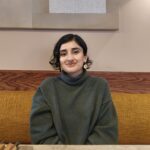
Anisha Dhanjal
I obtained my BSc at the University of Birmingham where I studied Human Biology. Following on from this I taught in secondary schools for two years after completing a PGDE, teaching 11-16 year olds.
Read full profile ↓
My passion remained in research where I wanted to contribute to the scientific field, so I went back to university to study the Molecular Medicine course in the University of Sheffield. I loved the course, obtaining a distinction, and wanted to pursue a PhD programme. Currently, I am working in Dr Luke Green’s laboratory as a second year PhD student. My project is focused on developing a rapid antimicrobial resistance diagnostic for Neisseria gonorrhoeae. My work includes a lot of molecular biology as well as long-read sequencing with Oxford Nanopore Technologies.

Nina Perry
I am a PhD researcher working on development of new antimicrobials at The University of Sheffield.
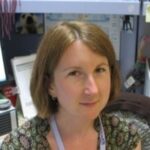
Dr Katie Hopkins
I am a clinical scientist with >20 years’ experience working on antibiotic resistance and the molecular epidemiology of Gram-negatives. My interests lie in the application of novel pheno- and genotypic methods for the rapid detection of antimicrobial resistance and for epidemiological investigations. For an up-to-date publications list see: https://researchportal.ukhsa.gov.uk/en/persons/katie-hopkins

Dr Maria Paula Cifuentes
I am a Colombian paediatrician with clinical and academic experience, focusing my research in finding novel diagnostic tools and potential treatment strategies in Necrotising enterocolitis. My work employs multi-omic technologies, including metagenomics, proteomics, and metabolomics, to deepen our understanding of this complex condition. I have a particular interest in neonatal nutrition, recognising the challenges it presents, especially for preterm infants. My goal is to contribute to the generation of evidence that informs and optimises guidelines, treatments, diagnostic tools and policies to improve neonatal care.
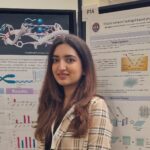
Fizza Haseeb
Fizza Haseeb is a PhD candidate at the University of Edinburgh (awaiting viva) and an early career researcher at Precision Healthcare University Research Institute, Queen Mary University of London.
Read full profile ↓
Her research focuses on the development of hydrogel-based tissue phantoms and near-infrared (NIR) fluorescent probes for non-invasive imaging and early detection of Gram-positive and Gram-negative bacterial infections. With a strong background in biomedical optics and molecular imaging, she has co-authored peer-reviewed publications in the Journal of Biomedical Optics and contributed to interdisciplinary projects at the interface of chemistry, biology, and medical diagnostics. She is eager to collaborate with like-minded researchers to accelerate the development of accessible, accurate diagnostic tools to support AMR surveillance and intervention efforts.
Dr Effrossyni Gkrania-Klotsas
Effrossyni Gkrania-Klotsas is a Consultant in infectious Diseases with an interest in primary and secondary immunodeficiencies and transplantation at Cambridge University Hospitals in Cambridge, UK. Further details please see: https://www.infectiousdisease.cam.ac.uk/directory/eg318%40cam.ac.uk

Dr Clare Chandler
Clare Chandler (PhD) is a medical anthropologist whose portfolio of work connects practices, technologies and policies of health, health care and health research. She has worked on a range of health challenges including malaria, Ebola, multimorbidity, urban health, One Health and antimicrobial resistance.
Read full profile ↓
Her work is typically collaborative, with scholars from other disciplines as well as with other anthropologists, and cross-sectoral including animal health and agriculture as well as human health. She was co-founding Director of the LSHTM Antimicrobial Resistance Centre, which works to inspire innovation through interdisciplinary engagements and she has led the Anthropology of Antimicrobial Resistance research group at the LSHTM since 2017, bringing critical social scholarship to global health topics including drug resistance. Clare’s research is primarily ethnographic but also incorporates historical, epidemiological and interventional approaches. She has traced the roles of different antimicrobials, diagnostics and disease framings across contexts from the domestic to healthcare to policy spheres. Her long term research has taken place in Uganda and Tanzania and she has also led studies in Ghana, Nigeria, Cameroon, Sierra Leone, Malawi, Zimbabwe, India, Cambodia, Thailand, Myanmar and the United Kingdom. She has a keen interest in capacity strengthening and transnational research arrangements. She has been appointed as an expert advisor on multiple governmental, inter-governmental, funding and research committees. She serves on numerous professional bodies internationally.
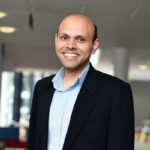
Dr Bruno Silvester Lopes
My work is on the molecular epidemiology and evolution of WHO critical and high priority pathogens such as Acinetobacter, Campylobacter, Helicobacter, Klebsiella and Pseudomonas (from increasing to decreasing order of expertise).
Read full profile ↓
I am national award winner of I’m a scientist get me out of here, a public engagement activity for young pupils and also heavily involved in public enagagement programmes across the globe. Further details please see: https://research.tees.ac.uk/en/persons/bruno-silvester-lopes
Dr Damer Blake
I am interested in ARG carriage in livestock and the impact of selection from routine antimicrobial use. In the broader context, I am also interested in antimicrobial resistance in protozoa of livestock. Further details please see: https://www.rvc.ac.uk/about/our-people/damer-blake

Dr Ludovic Pelligand
I am a veterinary clinical pharmacologist at the Royal Veterinary College. I am actively working on Pharmacokinetics / Pharmacodyamics of antimicrobials across veterinary species to develop veterinary clinical breakpoints (VetCAST).
Read full profile ↓
I am also leading clinical studies in real patient to adjust dosage regimen based on real world evidence. I have been the leader of the antimicrobial residue work packages in the One Health Poultry Hub My latest UKRI project will investigate the possible spill out of AMR from consumption of chicken and egg into the human healthcare (OHRIGAME) For further details see: https://www.rvc.ac.uk/about/our-people/ludovic-pelligand

Dr Linda Oyama
Linda’s current research within the field of microbiology focuses on the study of microbiomes to tackle key societal challenges including infectious diseases in the clinical and agricultural sectors. Her expertise involves a One-health approach on AMR surveillance utilising a combination of wet-lab, in silico and meta-‘omic methods. She also focuses on the area of antimicrobial chemotherapy, including the discovery and development of novel antimicrobials within microbiomes to combat the challenges of antimicrobial resistance (AMR). Further details please see: https://www.qub.ac.uk/schools/SchoolofBiologicalSciences/Research/find-a-phd-supervisor/dr-linda-oyama.html

Dr Catrin Moore
Dr Moore is a Reader in Global Health and Infectious Diseases, funded by the Wellcome Trust and Fleming Fund. She works in a multi-disciplinary team and has an interest in drug-resistant infections, with a particular focus on data and interventions to reduce the burden of antibiotic resistance. Her focus is on antimicrobial resistance (AMR) in the community. She is involved in global and regional dialogues around the increase of AMR and the use of antibiotics globally and how to minimise AMR and the misuse of antibiotics, particularly in low- and middle-income countries.
Dr Dan Whiley
Dr Dan Whiley is a postdoctoral Research Fellow working at Nottingham Trent University. His research bridges lab-based microbiological investigations and computational bioinformatics analysis in human and animal pathogens. His research interests are around antimicrobial resistance and One Health.
Dr Sarah Needs
I am a lecturer in the Reading School of Pharmacy. My research interests include the development of novel diagnostics and evaluations of Healthcare technologies with a focus on infectious disease.
Further details please see: https://www.reading.ac.uk/pharmacy/staff/dr-sarah-needs

Dr Prachi Bendale
Project Manager Futures AMR Network

Dr Emiliano Ariel Videla Rodriguez
Project Manager Impact AMR network